
In today’s digital age, screens are everywhere, and even the youngest children are exposed to media earlier than ever before. Parents often wonder how much screen time is appropriate for babies and what impact it might have on their development.
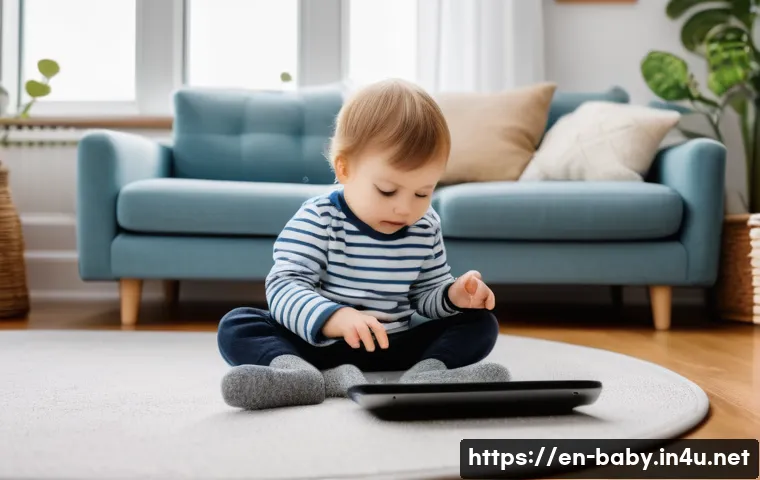
Balancing technology use with healthy habits can feel overwhelming, especially with so much conflicting advice out there. Understanding the latest research and guidelines can help caregivers make informed decisions for their little ones.
Let’s dive into the essentials of media use for babies and discover how to create a safe, nurturing environment. I’ll walk you through everything you need to know!
Understanding How Babies Perceive Digital Content
Early Brain Development and Sensory Input
Babies’ brains are incredibly malleable, especially during their first year of life. At this stage, their primary mode of learning involves interacting with the real world through touch, smell, sound, and sight.
When babies watch screens, the experience is fundamentally different from hands-on exploration. Unlike physical objects, screens provide two-dimensional images that lack depth and texture, which can limit sensory input.
From my own experience observing toddlers, they tend to learn much better when they can manipulate objects directly rather than just passively watch images.
This means that while screens might capture their attention, they don’t stimulate the brain in the same way as real-world play.
Recognizing the Limits of Attention Span
Babies have naturally short attention spans, often lasting just a few minutes at a time. When exposed to fast-moving visuals and sounds on screens, their brains can become overstimulated, leading to fussiness or difficulty calming down.
I’ve noticed that my niece, when given a tablet for too long, becomes irritable afterward and struggles to engage in quieter, more focused activities.
It’s important to remember that screens are not a substitute for social interaction and active play, which are critical for building attention regulation skills.
Choosing age-appropriate content that moves at a slower pace can help, but even then, moderation is key.
How Interactive Media Differs from Passive Viewing
Not all screen time is created equal. Interactive media, such as video calls or apps that encourage babies to touch and respond, can provide more meaningful engagement than passive viewing.
For example, when my friend used video chats to connect her baby with family members, the baby responded with smiles and babbling, showing clear social interaction.
These moments can promote language development and emotional bonding. However, even interactive screen time should be limited and balanced with face-to-face interactions and real-world exploration to support holistic growth.
Practical Guidelines for Introducing Screens to Babies
Recommended Screen Time Limits by Age
The American Academy of Pediatrics suggests avoiding screen time for babies under 18 months, except for video chatting. For toddlers 18-24 months, if parents choose to introduce digital media, it should be high-quality and used together with an adult to help them understand what they’re seeing.
For children aged 2-5 years, screen time should be limited to one hour per day of educational programming, again with caregiver involvement to maximize learning.
From what I’ve seen personally, following these recommendations helps prevent overexposure and encourages more interactive, meaningful use of technology.
Choosing Age-Appropriate Content
Not all apps or shows are beneficial for babies. The content should be simple, slow-paced, and designed to support early learning concepts such as colors, shapes, and sounds.
I recall a time when my nephew watched a fast-paced cartoon that left him anxious and restless afterward, whereas slower, music-based content had a calming effect.
Parents should look for programs developed with input from child development experts, and ideally, engage with their child during viewing to reinforce learning and provide context.
Creating a Balanced Daily Routine
Integrating screen time into a baby’s day requires thoughtful planning. It’s essential to ensure that screen use does not replace essential activities like tummy time, reading, naps, meals, and social interaction.
In my household, we found it helpful to schedule short screen sessions as part of quiet time rather than during active play periods. This balance ensures babies receive a variety of stimuli and experiences that promote healthy growth across all domains.
How Screen Exposure Impacts Language and Social Skills
The Role of Human Interaction in Language Development
Language acquisition in babies relies heavily on back-and-forth interactions with caregivers. Screens, by nature, cannot replicate this dynamic exchange.
When I observed babies exposed to excessive screen time, they often showed delays in babbling or fewer attempts to communicate verbally. Conversely, babies engaged in frequent face-to-face conversations, even simple cooing and responding, demonstrated richer language development.
This highlights the importance of prioritizing human contact over screen exposure during critical language learning phases.
Potential Social and Emotional Effects
Babies learn social cues like eye contact, facial expressions, and tone of voice through real-life interactions. Screens do not provide these nuanced signals effectively.
From my experience volunteering at a childcare center, children with limited in-person social engagement sometimes displayed difficulties in reading emotional cues and showing empathy.
While screens can offer some social content, they are no substitute for real-world experiences that nurture emotional intelligence and social skills.
Supporting Healthy Communication Habits
To foster communication skills, caregivers can use screens as a tool rather than a crutch. For example, watching a short educational video together and then talking about what was seen can create opportunities for language practice.
I found that narrating actions during play or reading aloud remains far more effective for language development than any screen-based activity. Encouraging babies to express themselves through sounds, gestures, and words alongside limited, purposeful media use supports a balanced approach.
Designing Screen-Free Zones and Times
Why Establishing Boundaries Matters
Setting clear limits around screen use helps babies develop healthy habits and prevents overreliance on digital devices. When I helped a friend create a screen-free play area for her infant, the baby became more curious about toys and interaction with caregivers.
Boundaries also protect sleep quality, as screen exposure before bedtime can disrupt circadian rhythms. Consistent routines that include screen-free zones promote better focus and encourage imaginative play.

Tips for Implementing Screen-Free Periods
Creating regular screen-free times can be as simple as designating meal times, outdoor play, and bedtime as no-device zones. I’ve found that families who involve babies in these routines early on experience fewer struggles with tantrums or dependency on screens.
Instead, these times can be filled with storytelling, singing, or gentle physical play, all of which contribute to emotional security and developmental progress.
Encouraging Alternative Activities
Replacing screen time with enriching activities is easier when caregivers have a variety of options. Sensory play, reading books, and interactive games offer stimulating alternatives that promote growth.
I often recommend simple household items like stacking cups or textured fabrics to keep babies engaged without screens. Outdoor time, even brief walks or fresh air exposure, provides unmatched benefits for physical and cognitive development.
Recognizing Signs of Overexposure and How to Adjust
Behavioral Indicators of Too Much Screen Time
Babies who have excessive screen exposure may exhibit signs such as irritability, difficulty sleeping, reduced interest in toys, or challenges with attention.
In one case, I noticed a toddler who became unusually fussy and withdrawn after prolonged tablet use. Recognizing these red flags early allows caregivers to adjust screen habits and prioritize more interactive experiences.
Strategies for Gradual Reduction
If a baby has become accustomed to regular screen time, suddenly removing devices can cause distress. Gradual reduction, combined with increased engagement in other activities, tends to work best.
For example, shortening sessions by a few minutes daily or replacing screen time with a favorite song or story can ease the transition. Patience and consistency are key, and involving caregivers and siblings in the process helps reinforce new routines.
When to Seek Professional Guidance
If concerns about a baby’s development or behavior arise related to screen use, consulting a pediatrician or child development specialist is advisable.
They can assess whether delays or difficulties stem from media exposure or other factors and recommend tailored strategies. In my experience, early intervention and support are invaluable for setting children on a healthy developmental path.
Balancing Technology and Real-Life Experiences
Integrating Technology Mindfully
Technology can be a helpful tool when used thoughtfully and in moderation. I’ve found that using screens as a supplement to—not a replacement for—real-world interaction yields the best outcomes.
For instance, a short video about animals followed by a nature walk to see birds or pets can deepen understanding and curiosity.
Fostering Curiosity Beyond the Screen
Encouraging babies to explore their surroundings nurtures creativity and problem-solving skills. From my time as a caregiver, I’ve seen how open-ended play with everyday objects invites discovery and imagination far more than passive screen watching.
Providing diverse stimuli—textures, sounds, colors—stimulates multiple senses and supports brain growth.
Empowering Parents and Caregivers
Ultimately, caregivers are the gatekeepers of healthy media habits. Being informed about current guidelines and trusting one’s intuition makes a huge difference.
I encourage parents to observe their babies’ reactions and preferences, experiment with screen time boundaries, and prioritize meaningful interactions.
This approach leads to confident decision-making and a nurturing environment where technology serves as a helpful ally, not a hindrance.
| Age Group | Recommended Screen Time | Content Type | Adult Involvement |
|---|---|---|---|
| Under 18 months | None (except video chatting) | Not recommended | Supervised only for video chats |
| 18-24 months | Minimal, high-quality content | Educational, slow-paced | Co-viewing and interaction encouraged |
| 2-5 years | Up to 1 hour per day | Educational programming | Active engagement recommended |
글을 마치며
Understanding how babies interact with digital content is crucial for fostering healthy development. While technology offers opportunities, it should never replace real-life experiences and social interaction. By setting mindful boundaries and choosing quality content, caregivers can support babies’ growth in a balanced way. Ultimately, thoughtful screen use paired with active engagement creates a nurturing environment for little ones to thrive.
알아두면 쓸모 있는 정보
1. Babies under 18 months should avoid screen time except for video chatting to protect early brain development.
2. Choosing slow-paced, educational content helps maintain babies’ attention without overstimulation.
3. Interactive media that encourages response and social connection is more beneficial than passive viewing.
4. Establishing screen-free zones and times supports healthy habits and prevents dependency on digital devices.
5. Watching for behavioral signs of overexposure allows timely adjustments to promote better well-being.
중요 사항 정리
Caregivers should prioritize real-world interaction and sensory play over screen exposure during infancy and early childhood. When introducing screens, content must be age-appropriate, high-quality, and accompanied by adult involvement to enhance learning. Limiting screen time and creating consistent routines with designated screen-free periods helps maintain attention, emotional regulation, and social skills. Recognizing signs of excessive use and gradually adjusting habits ensures a healthy balance between technology and developmental needs.
Frequently Asked Questions (FAQ) 📖
Q: How much screen time is safe for babies under 18 months?
A: Experts generally recommend avoiding screen time for babies younger than 18 months, except for video chatting with family or friends. This is because babies learn best through direct interaction with people and their environment, not screens.
From my experience, when parents introduce screens too early, it can interfere with essential bonding and sensory development. Instead, focus on face-to-face play, talking, and reading to foster your baby’s growth during this critical period.
Q: What are the potential effects of screen exposure on a baby’s development?
A: Excessive screen time in babies may impact language development, attention span, and social skills. I’ve noticed that when babies spend more time with screens than interacting with caregivers, they miss out on important cues like facial expressions and voice tone.
Research shows that passive screen viewing can lead to delayed speech or reduced eye contact. However, limited, high-quality, and interactive media used alongside a caregiver can be less harmful and even beneficial in some cases.
Q: How can parents balance screen time with healthy habits for their babies?
A: The key is moderation and intentional use. From what I’ve seen, parents who set clear boundaries—like no screens during meals or before bedtime—and replace screen time with activities like reading, outdoor play, or sensory exploration tend to create a healthier routine.
Also, co-viewing content and engaging with your baby during media use helps turn screen time into a shared learning experience rather than passive watching.
Remember, your presence and interaction are the most valuable tools for your baby’s development.