Oh, the joy of watching our little ones explore the world with their tiny hands! As a mom myself, I remember those early days, fascinated by every wiggle of their fingers, every tentative grasp.
It’s not just adorable; those small movements are actually laying the groundwork for so much more – from future independence in daily tasks to crucial academic success.
Fine motor skills are truly foundational, impacting everything from feeding themselves to eventually writing their name. Trust me, dedicating a little time to engaging, purposeful play can make a monumental difference.
I’ve personally seen how simple, fun activities can spark incredible growth and help build those vital connections in their developing brains. In this post, we’re going to dive into some of the latest, most effective, and super fun activities that will help your baby develop these essential skills, setting them up for a lifetime of confidence and capability.
Let’s find out exactly how to make playtime powerfully developmental!
The Unseen Power of Tiny Grips: Why Every Pinch and Squeeze Counts
Building Blocks for a Bright Future: More Than Just Play
I remember those first few months with my little one, mesmerized by their tiny fingers reaching out, exploring everything in sight. It felt like such a small thing, just a baby batting at a toy or trying to grasp my finger, but honestly, it’s monumental.
These seemingly simple actions are literally laying down the neural pathways for so much more. Think about it: every time your baby tries to pick up a cheerio, they’re not just practicing their pincer grasp; they’re building the foundation for drawing, writing their name, buttoning their shirt, and even using a fork and knife.
I’ve personally seen how early engagement with these skills can light up a child’s eyes and build incredible confidence. It’s not just about making them “smart”; it’s about giving them the tools for independence and self-expression down the line.
We often focus on big milestones, but these tiny victories are the true unsung heroes of development.
Connecting the Dots: How Fine Motor Skills Influence Everything
When I first started delving into this, I was amazed by how interconnected everything is. Fine motor skills don’t exist in a vacuum; they deeply impact cognitive development, problem-solving abilities, and even social interactions.
Imagine a child who struggles to hold a crayon or build with blocks – that frustration can easily spill over into other areas. On the flip side, a child who feels competent with their hands often feels more confident in other learning environments too.
I’ve witnessed firsthand how providing engaging, slightly challenging activities can spark a child’s curiosity and determination. It’s a beautiful dance between their brain sending signals and their hands responding, refining their control with each successful attempt.
This early practice isn’t just about dexterity; it’s about nurturing a can-do attitude that will serve them well throughout their entire lives. Trust me, dedicating time to these seemingly small tasks has huge payoffs.
Turning Everyday Moments into Skill-Building Adventures
Kitchen Capers: Simple Treasures for Little Fingers
Who knew the kitchen could be such a treasure trove for fine motor development? Forget fancy toys for a moment; your pantry and utensil drawer are goldmines!
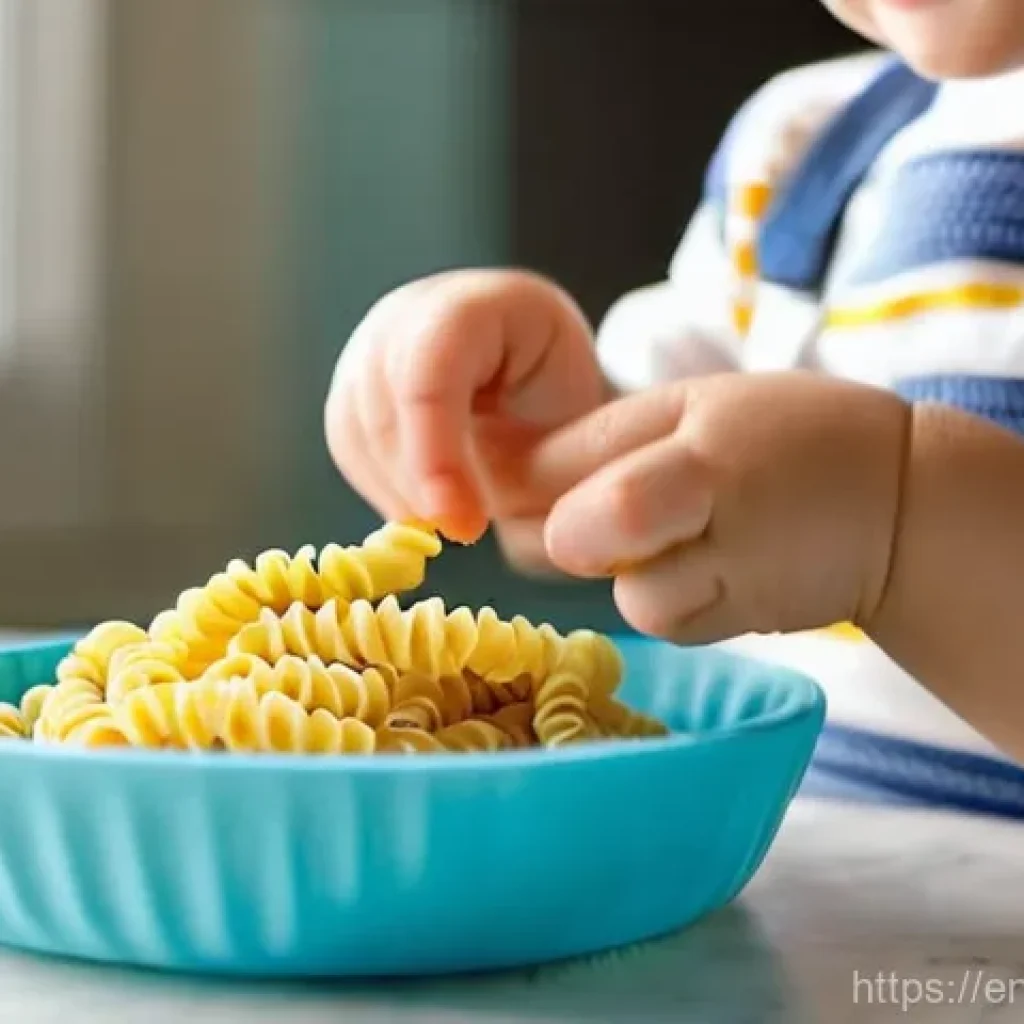
I often used to sit my little one in their high chair with a handful of dried pasta shapes (like rotini or penne) and an empty bowl. The sheer delight in transferring them, one by one, was incredible.
It’s perfect for practicing that pincer grasp, and the different textures are an added sensory bonus. Another favorite was letting them “help” me with baking by spooning flour or sugar into a bowl (with plenty of supervision, of course!).
Even tearing soft bread into smaller pieces for a recipe is a fantastic way to build hand strength and coordination. These aren’t just chores; they’re engaging, real-world activities that feel purposeful to a little explorer and don’t cost an extra dime.
Bath Time Bonanza: Splish, Splash, and Skill Development
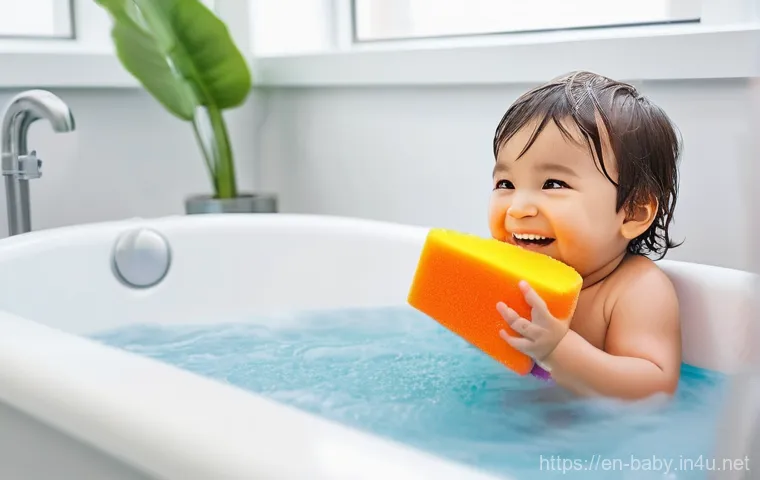
Bath time is usually associated with cleanliness and fun splashes, but it’s also an amazing opportunity for fine motor skill work. Those squirty bath toys aren’t just for giggles; squeezing them strengthens hand muscles, which is crucial for future handwriting.
My child absolutely loved trying to fill and empty small plastic cups or squeeze sponges until all the water was gone. The resistance of the water and the need for controlled movements make these activities incredibly effective.
You can even add some safe, floating objects for them to try and “catch” with a small net or their hands, refining their eye-hand coordination. The best part?
It’s already part of your daily routine, so you’re sneaking in valuable development without even trying too hard. Plus, the joy on their face when they master squirting water across the tub is priceless.
Sensory Play Superstars: Engaging Touch for Fine Motor Growth
Textural Explorations: Discovering the World Through Touch
Oh, sensory bins! If you haven’t ventured into this world yet, you’re missing out on some serious developmental magic. My personal experience has shown me that giving babies a safe, contained space to explore different textures does wonders for their fine motor skills and sensory processing.
Fill a shallow bin with things like cooked pasta (cooled, of course!), dry beans, rice, or even shredded paper. Add some scoops, small cups, and toddler-safe tongs.
Watching my child intently pick up individual pieces of pasta or try to scoop rice into a cup was fascinating. It requires so much concentration and fine-tuning of their hand movements.
The varied tactile input helps them differentiate textures, which is a key part of how their brain develops awareness and control over their hands. Plus, the sheer joy of discovery keeps them engaged for surprisingly long stretches.
Water Works Wonders: Soothing Play with Serious Benefits
Water play isn’t just for cooling off on a hot day; it’s a powerhouse for fine motor development! Setting up a simple basin of water, perhaps with some bubbles, and adding small toys, sponges, and cups provides endless opportunities.
I’ve found that even something as simple as squeezing a wet sponge until it’s “dry” is an incredible workout for little hands. Trying to catch floating objects, pouring water from one container to another, or stirring with a spoon all require precision and control.
The fluidity of water adds an extra layer of challenge, helping them adjust their grip and movement. It’s also incredibly calming for many children, so you’re getting the double benefit of skill development and a peaceful play experience.
Just remember a towel nearby, because joyful water play almost always equals a little bit of a mess!
Beyond the Basics: Creative Play for Advanced Dexterity
Homemade Wonders: Crafting for Coordinated Hands
As my little one grew, I found that introducing simple craft activities became a fantastic way to push their fine motor skills further. We started with tearing paper, which is surprisingly difficult for tiny hands but incredibly strengthening.
Then we moved onto sticking pre-cut shapes onto paper, using a glue stick (which itself is a great fine motor tool!). Later, threading large beads onto a pipe cleaner or string was a huge hit.
The concentration required to push the string through the small hole is immense, and the sense of accomplishment they get when they finish a “necklace” is truly heartwarming.
These activities not only build dexterity but also encourage creativity and focus, which are skills that will absolutely transfer to their future learning.
Toddler Triumphs: Introducing Tools and More Complex Tasks
Once they’re a bit older, around toddlerhood, you can start introducing more “tools” into their play. Kid-safe scissors are a game-changer for hand strength and bilateral coordination (using both hands together).
Starting with cutting playdough is a fantastic way to build confidence before moving to paper. And honestly, playdough itself is a king-tier fine motor activity!
Rolling, squishing, pinching, and cutting it provides endless opportunities for hand strengthening. I also found simple puzzles with chunky knobs to be brilliant.
The precision needed to place the pieces correctly helps refine their pincer grasp and problem-solving skills. Remember, it’s about providing the opportunity and the tools, not about achieving perfection right away.
Every attempt, successful or not, is a step forward.
| Activity Name | Fine Motor Skill Focus | Materials Needed | Parenting Tip |
|---|---|---|---|
| Pasta Transfer | Pincer grasp, eye-hand coordination | Dried pasta (penne, rotini), 2 small bowls | Start with larger pasta; gradually introduce smaller pieces. |
| Sponge Squeeze | Hand strength, muscle control | Sponge, 2 bowls (one with water) | Great for bath time; focus on squeezing until completely dry. |
| Playdough Fun | Hand strength, manipulation, creativity | Playdough, kid-safe tools (rollers, cutters) | Encourage rolling, squishing, pulling apart; join in the fun! |
| Bead Threading | Precision, bilateral coordination, focus | Large beads, pipe cleaners or thick string | Start with chunky beads and stiff pipe cleaners, then move to smaller items. |
| Water Pouring | Control, depth perception, wrist stability | Small pitchers/cups, water | Start with small amounts of water in a contained area to minimize mess. |
Decoding Developmental Milestones: What to Expect When
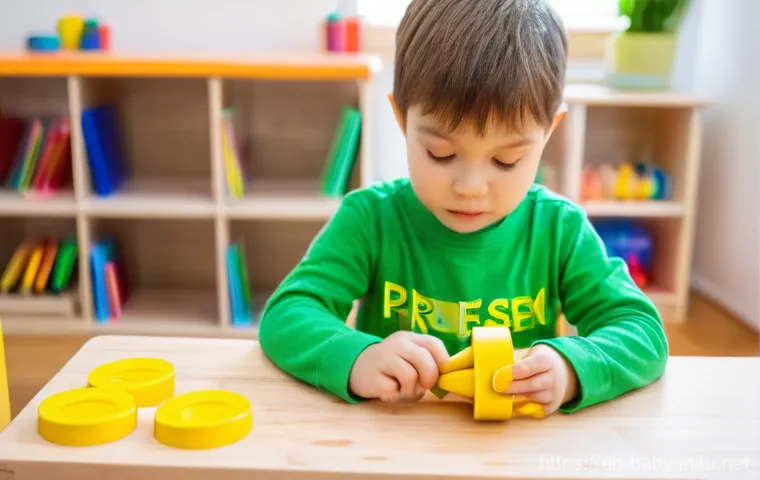
Grasping Growth: A Timeline of Tiny Hand Achievements
It’s so easy to get caught up in comparing our children to others, but I’ve learned that every child truly develops at their own pace. Still, having a general idea of fine motor milestones can be reassuring and help us know what activities to introduce next.
For example, around 3-4 months, babies often start batting at objects and reaching with both hands. By 6-9 months, that beautiful pincer grasp usually begins to emerge, where they pick up small objects using their thumb and forefinger.
This is huge! Then, around 12-18 months, you might see them stacking a couple of blocks, scribbling with a crayon, or turning pages in a board book. As they approach two years old, they often start showing interest in simple puzzles and can use a spoon with some accuracy.
It’s a gradual unfolding, and honestly, every little step is worth celebrating!
Encouraging Progress: Gentle Guidance, Not Pressure
My biggest piece of advice here is to offer opportunities without applying pressure. If an activity isn’t clicking, put it away and try again another day.
Forcing it can lead to frustration for both you and your child. I’ve found that the best way to encourage progress is through playful interaction and modeling.
Show them how to do it, invite them to join you, and always celebrate their efforts, regardless of the outcome. If they try to stack a block and it topples, a simple “Oops!
Let’s try again!” is far more effective than “You didn’t do it right.” Remember, play is their work, and they learn best when they are feeling safe, loved, and encouraged to explore.
My philosophy has always been to create an environment rich with possibilities, then step back and let their natural curiosity lead the way.
Parenting Hacks: Maximizing Playtime for Maximum Development
Setting the Stage: Creating an Engaging Environment
Creating a stimulating environment doesn’t mean buying out the toy store. I’ve learned that it’s more about thoughtfully curating what’s available and keeping things fresh.
One of my favorite “hacks” is toy rotation. Instead of having all the toys out at once, I keep a selection available and rotate them every week or two.
This keeps things new and exciting, preventing overwhelm and encouraging deeper engagement with fewer items. Also, think about accessibility. Place certain toys or activity baskets within your child’s reach so they can initiate play themselves.
This fosters independence and self-directed learning. A designated “fine motor zone” – perhaps a low table or a special mat – can also signal to them that it’s time for focused, hands-on exploration.
Patience is a Virtue: Embracing the Process (and the Mess!)
Let’s be real: fine motor activities, especially with babies and toddlers, often involve a fair amount of mess. Rice on the floor, water splashed everywhere, playdough stuck to everything – I’ve been there!
My biggest learning curve was accepting that the mess is often a byproduct of deep engagement and learning. Trying to control every tiny spill can stifle a child’s exploration and your own enjoyment.
So, my hack here is: prepare for the mess! Lay down a mat, put on a smock, and remember that it’s temporary. Embrace the process, celebrate their attempts, and understand that every fumbled grasp or spilled cup is a learning opportunity.
The joy of watching them concentrate and eventually master a new skill far outweighs the effort of a quick clean-up. Trust me, these moments are precious and fleeting.
Navigating Challenges: When to Consider Extra Support
Observing the Cues: Recognizing Potential Delays
As parents, we’re often our child’s first and best observer. While every child develops at their own pace, it’s also important to be aware of certain red flags that might suggest a need for a closer look.
For fine motor skills, this could include consistently avoiding activities that require hand use, a significant delay in achieving typical milestones (like not developing a pincer grasp by 9-12 months), persistent fisting past 4-6 months, or showing a marked preference for using only one hand before 12 months.
I remember feeling a little anxious at times, wondering if my child was “on track.” The key is to observe gently and without panic. Are they showing *any* progress, even if it’s slow?
Are they engaged in other areas of development? Trust your intuition, but also seek informed perspectives.
Seeking Expertise: Trusting Your Gut and Getting Help
If you do notice patterns that concern you, the absolute best thing you can do is talk to your pediatrician. They are your first port of call and can offer guidance, reassurance, or referrals to specialists if needed.
Don’t hesitate to voice your concerns. It’s always better to get an early assessment than to wait and wonder. Sometimes, a physical therapist or occupational therapist can provide wonderful insights and specific strategies to help your child.
I’ve seen firsthand how a little bit of targeted support can make a huge difference in a child’s development and a parent’s peace of mind. Remember, seeking help is a sign of strength and advocacy for your child, not a judgment on your parenting.
You are their champion, and getting the right support means ensuring they have every opportunity to thrive.
글을 마치며
As we wrap up this journey through the world of tiny grips and growing minds, I hope you feel a renewed sense of wonder for the incredible developmental leaps our children make every single day. It’s so easy to get caught up in the big milestones, but truly, the magic lies in these small, consistent efforts. From picking up a stray cheerio to mastering a button, each seemingly minor achievement is a monumental step forward, building the intricate pathways for future learning, independence, and creativity. Trust your instincts, enjoy the process, and never underestimate the power of your loving presence and the simple, everyday opportunities you provide.
알아두면 쓸모 있는 정보
1. You don’t need a house full of expensive gadgets to foster incredible fine motor skills. Look around your home! Kitchen items, a simple basin of water, playdough, and even discarded paper can be transformed into powerful learning tools. The key is creativity and engagement, not cost. Remember, the most valuable “toy” is often your own interaction and attention.
2. Embrace the process over perfection. Children learn by doing, trying, and sometimes, failing. Instead of focusing on whether they pick up the bead “correctly” or pour water without a spill, celebrate their effort, their concentration, and their willingness to explore. A positive, encouraging environment is far more impactful than a spotless outcome.
3. Keep things fresh by rotating toys and activities. Children thrive on novelty, and a curated selection of items can spark deeper engagement than an overwhelming array of choices. By swapping out a few items every week or so, you prevent boredom, encourage renewed interest, and ensure your child is always exploring something new without feeling overstimulated.
4. Observe your child closely and let their interests guide you. If they’re fascinated by water, lean into water play. If they love textures, create a sensory bin. Tailoring activities to their natural curiosity ensures maximum engagement and makes learning feel like an exciting adventure rather than a chore. Their enthusiasm is your best indicator.
5. Don’t be afraid of a little mess. Seriously, I’ve had rice everywhere, playdough stuck to the carpet, and water splashed far beyond the tub! Often, the most profound sensory and fine motor learning happens when children are fully immersed and free to explore without strict boundaries. A drop cloth, an old shirt, and a sense of humor go a long way in turning potential stress into joyful discovery.
중요 사항 정리
The journey of developing fine motor skills is foundational for a child’s overall growth, influencing everything from academic success to daily independence. Remember that consistent, playful engagement with everyday objects and activities is far more effective than high-pressure training. Observe your child’s unique pace, celebrate every tiny triumph, and create an environment rich with exploration opportunities. Most importantly, trust your instincts as a parent; if you ever have concerns about your child’s development, don’t hesitate to consult with your pediatrician for guidance and support. Early intervention, when needed, can make a world of difference, ensuring your little one has every chance to thrive.
Frequently Asked Questions (FAQ) 📖
Q: Why are fine motor skills so important for babies, beyond just cute wiggles?
A: Oh, this is such a fantastic question, and one I often asked myself when my little one was just starting out! It’s easy to look at those adorable tiny fingers and just think “cute,” but believe me, what’s happening beneath the surface is truly monumental.
Fine motor skills are absolutely foundational, laying down the groundwork for so much more than just picking up a toy. Think about it: these are the precise movements of those small muscles in their hands, fingers, and wrists that enable independence.
As they grow, these early skills directly impact their ability to feed themselves, dress themselves, draw, and eventually, write their name. It’s not just about physical tasks either; developing fine motor control actually boosts their cognitive development, problem-solving abilities, and even their hand-eye coordination, which is crucial for everything from playing sports to learning to read later on.
From my own experience, I’ve seen how mastering these little movements gives them a huge surge of confidence, allowing them to explore their world with greater autonomy.
It’s truly incredible how those seemingly simple wiggles are setting them up for a lifetime of success and capability!
Q: What are some simple, everyday activities I can do at home to help my baby develop these skills?
A: You know, you don’t need fancy, expensive toys to foster incredible fine motor development – some of the best activities use things you already have around the house!
I’ve personally found that the key is consistent, engaging play. For the littlest ones, from 0-6 months, lots of supervised tummy time is a game-changer.
It strengthens their core and shoulder muscles, which are the unsung heroes supporting those tiny hand movements. Offer them soft rattles or textured fabric scraps to grasp; it helps develop that early palmar grasp.
As they hit 6-9 months, introduce activities that encourage them to reach and transfer objects from one hand to the other. Think about hanging toys just slightly out of reach during tummy time, or giving them a soft ball to hold.
Once they start exploring the amazing pincer grasp around 9-12 months – that magical thumb and forefinger pinch – introduce baby-safe finger foods like Cheerios or small pieces of cooked pasta.
They absolutely love the challenge! Building towers with soft blocks, turning the pages of sturdy board books, or even pulling ribbons through a box are also fantastic for refining their control.
Honestly, just letting them explore safe objects and textures is half the battle; their natural curiosity will do the rest!
Q: When should I start worrying if my baby isn’t reaching certain fine motor milestones?
A: I totally get how easy it is to fall into the comparison trap, especially when you see other babies hitting milestones at different times. It’s important to remember that every child truly develops at their own unique pace, and there’s a wide range of “normal.” However, as a mom, I also know that gut feeling when something just doesn’t seem quite right, and it’s always best to trust your instincts and chat with your pediatrician if you have persistent concerns.
Some general “red flags” that might warrant a closer look include if your baby isn’t noticing their own hands by around 2 months, or not grasping objects by 3 months.
Around 4-7 months, if they seem to have very stiff or very floppy muscles, or consistently struggle to bring objects to their mouth, it’s worth mentioning.
Later, if by 12-15 months they haven’t developed a pincer grasp (that distinct thumb-and-forefinger pinch), or aren’t attempting to pick up small objects, that would also be a good reason for a discussion.
These aren’t meant to cause alarm, but rather to empower you to advocate for your little one. An early conversation with your doctor can provide reassurance or, if needed, connect you with resources that can make all the difference.