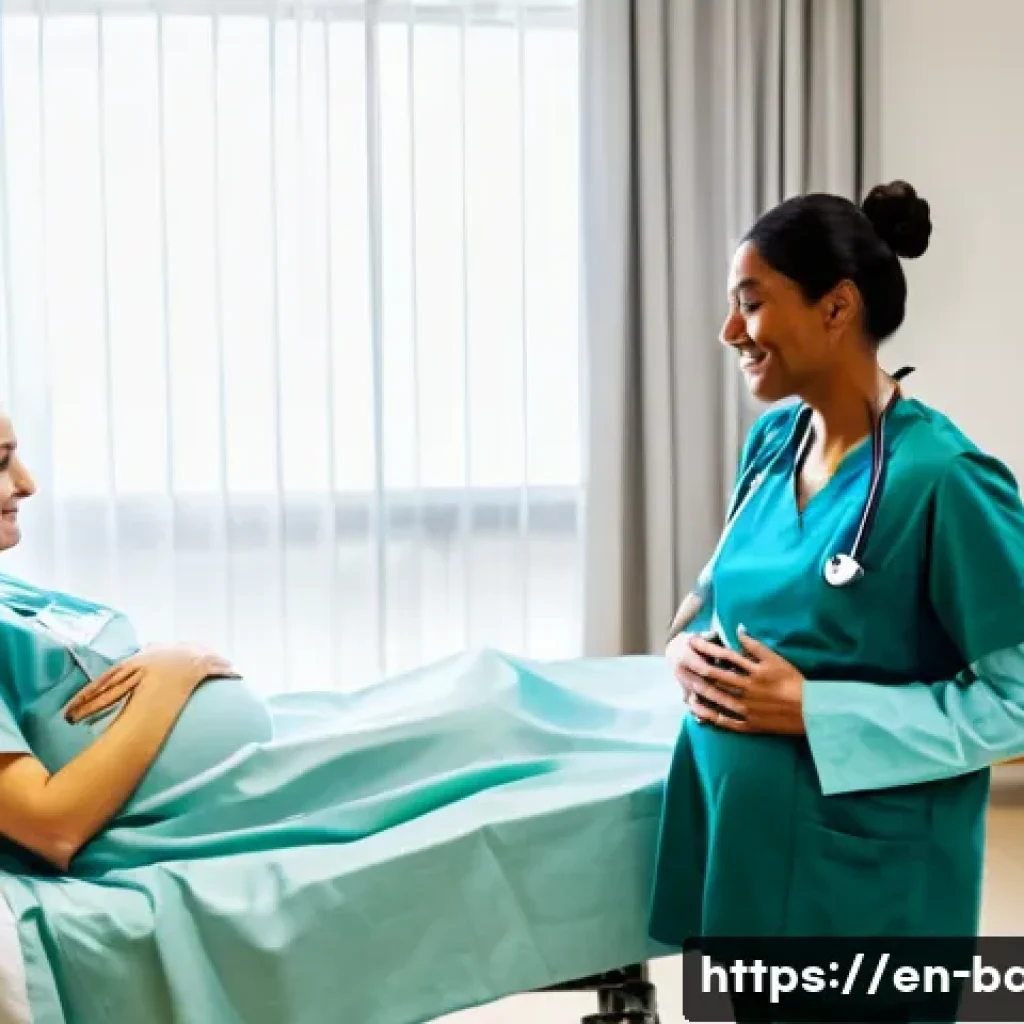
Welcoming a new baby into the world is an incredibly exciting, yet often overwhelming, journey, and one of the biggest decisions you’ll make during your pregnancy is choosing the right hospital.

It’s more than just proximity; you’re looking for a place that aligns with your birth plan, values your comfort, and prioritizes the safety and well-being of both you and your little one.
From the moment that positive pregnancy test appears, thoughts of nurseries, labor rooms, and the perfect support team start swirling. With so many options and so much conflicting advice out there, it can feel like navigating a maze, leaving many expecting parents feeling stressed and unsure where to even begin.
Trust me, I’ve been there – the sleepless nights poring over reviews, the countless hospital tours, and the endless questions to friends and family. It’s a huge decision, and you want to get it right.
But what if I told you there are some clever ways to cut through the noise and find that ideal birthing environment? From understanding crucial safety ratings and the availability of specialized care, to the emotional support systems and even the latest in personalized birthing experiences, there’s a lot to uncover.
We’re also seeing some fantastic new trends emerging, like advanced maternal-fetal medicine and enhanced postpartum support, that can truly make a difference in your experience.
You deserve a hospital that feels like a safe, nurturing haven, tailored to your family’s unique needs, and honestly, picking the right one can make all the difference in those precious first moments and beyond.
It’s about creating a positive start for your baby and a memorable experience for you. You’re not alone in this quest; I’ve gathered all the insider tips and crucial insights I’ve personally learned and observed to help you make an informed choice without the added stress.
Let’s make this vital decision a little easier and a lot more confident. Choosing where to welcome your little one is one of the biggest, most heartfelt decisions you’ll make during pregnancy, and it truly sets the tone for your birth experience.
It’s natural to feel a mix of excitement and a tiny bit of overwhelm when you think about hospitals, birthing centers, and all the possibilities. We all want that perfect blend of top-notch medical care and a warm, supportive environment where we feel heard and respected.
But with so many factors to consider, from epidural policies to lactation support, how do you even begin to narrow it down? Don’t worry, you’re in the right place, because I’ve personally navigated this journey and gathered all the essential insights to help you find that ideal spot.
Let’s dive in and find out more!
Understanding the Birthing Philosophy: More Than Just Four Walls
When I was pregnant with my first, I quickly realized that choosing a hospital wasn’t just about picking a building; it was about aligning with a philosophy. Every hospital has a unique approach to birth, and finding one that resonates with your personal hopes and values for this incredible journey is absolutely critical. Some hospitals lean heavily into a medicalized model, prioritizing interventions and efficiency, while others champion a more natural, low-intervention approach, empowering mothers to guide their own experience. I remember feeling so lost initially, trying to figure out if my desire for a calm, quiet birth could truly happen in a bustling medical center. It felt like I was searching for a unicorn, but honestly, understanding their core beliefs made all the difference. You’ll want to ask about everything from their stance on pain management options to how they support different birthing positions. Do they encourage immediate skin-to-skin? What about delayed cord clamping? These seemingly small details can profoundly shape your birthing story. It’s not about right or wrong, but about finding a place where you feel genuinely supported and respected, no matter how your birth unfolds. This deep dive into their values will help you avoid unwelcome surprises and ensure that you and your partner feel truly seen and heard during one of the most significant moments of your lives.
Exploring Labor & Delivery Protocols
Digging into a hospital’s specific labor and delivery protocols can reveal so much about their philosophy. For instance, some places have very strict guidelines about when you can eat or drink during labor, while others are much more flexible, understanding that a laboring mother needs energy. I learned firsthand that these policies aren’t just bureaucratic hurdles; they directly impact your comfort and ability to cope. It’s worth asking about their epidural rates and what non-pharmacological pain relief options are readily available—think birthing balls, nitrous oxide, or even access to a tub or shower. Do they encourage mobility during labor, or are you expected to stay in bed? Understanding these nuances helps you visualize your birth experience and ensures that the care aligns with your preferences, rather than forcing you into a one-size-fits-all scenario. My experience showed me that a hospital that offers a range of options often signals a more patient-centered approach, making you feel more in control and less like a patient being processed.
The Human Element: Staffing and Support Systems
Beyond the policies, the people make all the difference. I can’t stress enough how important it is to feel a connection with the nursing staff, the doctors, and even the administrative team. During my hospital tours, I paid close attention to how the staff interacted with each other and with us. Did they seem rushed or genuinely attentive? What are their nurse-to-patient ratios during labor and postpartum? A high ratio generally means more personalized care, which can be a lifesaver when you’re navigating the intensity of labor or the sleepless fog of the first few days postpartum. In my case, having a calm, experienced nurse by my side who truly listened to my fears and celebrated my progress made a world of difference. It’s this human touch, this genuine empathy, that transforms a clinical setting into a nurturing environment. Don’t be afraid to ask about their lactation consultants, social workers, or even mental health support services, as these teams can provide invaluable assistance during such a vulnerable time.
Prioritizing Safety and Specialized Care: What Really Matters
When it comes to bringing a new life into the world, safety is, without a doubt, the absolute paramount concern. We all want to feel confident that both mom and baby are in the best possible hands, no matter what twists and turns the birthing journey might take. This means looking beyond the glossy brochures and diving deep into a hospital’s clinical excellence and emergency preparedness. I vividly recall the anxious moments during my pregnancy, wondering if the hospital I chose was truly equipped for every possible scenario. It’s not about dwelling on worst-case scenarios, but about having the peace of mind that comes from knowing you’re in a facility with robust support systems. Think about their C-section rates, for instance – are they unusually high or low, and what does that tell you about their approach to intervention? Beyond that, understanding their protocols for neonatal emergencies and their access to specialized pediatric care, should your little one need it, is non-negotiable. This isn’t just about ticking boxes; it’s about ensuring that your chosen hospital provides a complete safety net, giving you the freedom to focus on the joy of meeting your baby.
Emergency Preparedness and NICU Levels
One of the most reassuring aspects for me was knowing about the hospital’s capacity to handle unexpected complications. You want a facility that isn’t just prepared for a routine birth but also has the infrastructure and expertise for emergencies. This often involves looking into their Neonatal Intensive Care Unit (NICU) level. A Level III or IV NICU, for example, indicates a hospital capable of caring for the most critically ill newborns, including premature babies born very early or those with complex medical conditions. While we all hope our baby won’t need such specialized care, having it available right on site, or knowing there’s a seamless transfer protocol to a nearby facility, can significantly reduce anxiety. I learned that asking direct questions about their emergency response times, the availability of an in-house anesthesiologist 24/7, and their maternal-fetal medicine specialists can provide immense comfort. It’s about knowing they’re ready for anything, so you don’t have to worry about it.
Reputation and Outcomes: What the Data Says
While word-of-mouth is helpful, delving into objective data and reputation can offer a clearer picture of a hospital’s quality. Websites and state health departments often publish statistics on birthing outcomes, C-section rates, episiotomy rates, and even patient satisfaction scores. While no single metric tells the whole story, a pattern of positive outcomes and high patient satisfaction can be a strong indicator of quality care. I spent hours comparing these figures, trying to find a balance between a hospital that was efficient and one that was known for its compassionate approach. It’s also wise to check for any accreditations or awards related to maternity care, as these often signify adherence to high standards. Don’t shy away from asking your OB-GYN or midwife for their candid opinions and recommendations, as they have firsthand experience with different facilities and their teams. Their insights can be invaluable in navigating the sometimes overwhelming amount of information available.
Crafting Your Ideal Birthing Experience: Amenities and Personalization
Let’s be real: while safety is paramount, feeling comfortable and having your preferences honored during birth can profoundly impact your experience. It’s your body, your baby, and your journey, and you deserve a birthing environment that feels supportive and personalized. I truly believe that the right amenities can transform a stressful hospital stay into a more serene and positive experience. Think about it – after hours of labor, or even just the recovery period, having a private room with a comfortable bed for your partner, or access to a lactation consultant who makes you feel understood, can be a game-changer. I personally found that the little things, like having control over the room temperature or being able to play my own music, made me feel more grounded and less like a patient in a sterile environment. Modern hospitals are increasingly recognizing the importance of patient experience, moving away from purely clinical settings towards spaces that feel more like home, with options for hydrotherapy, aromatherapy, and even gourmet meal choices. These thoughtful touches aren’t just luxuries; they contribute significantly to your emotional well-being and overall satisfaction, helping you focus on bonding with your new arrival.
Comforts That Make a Difference
When you’re touring hospitals, pay close attention to the amenities that genuinely matter to you. For me, a private room with a private bathroom was non-negotiable. Knowing my partner could stay with me comfortably made a huge difference to my peace of mind. Other comforts might include birthing tubs or showers for hydrotherapy during labor, adjustable lighting to create a calming ambiance, or even special birthing beds designed for various positions. Some hospitals offer amenities like gourmet food options, postpartum massage, or even celebratory dinners. While these might seem secondary, they contribute to a more positive and relaxing recovery period. Consider if they provide essentials like breast pumps or formula, and what kind of visitor policies they have. I’ve heard stories of hospitals that offer things like a “golden hour” for uninterrupted skin-to-skin contact, which is truly precious. These small details collectively create an environment where you feel cared for, allowing you to truly embrace the postpartum period.
Personalized Birthing Plans and Flexibility
A truly supportive hospital will embrace your birth plan and offer flexibility within safe medical guidelines. This means having conversations about your preferences for pain management, labor positions, fetal monitoring, and even how you want to welcome your baby (e.g., immediate skin-to-skin, delayed cord clamping, partner cutting the cord). During my tours, I specifically asked about their willingness to accommodate individual birth plans and what their boundaries were. It was reassuring to hear responses that showed an understanding of patient autonomy. Of course, safety always comes first, but a good hospital will work with you to honor your wishes as much as possible. This might involve having a dedicated laborist program, where an OB-GYN is always on-site, or having midwives available who can offer a more holistic approach. The goal is to feel empowered and heard, not just processed, through every stage of your birthing journey. This flexibility can really make the difference between a good birth experience and a truly memorable one.
Navigating the Post-Birth Journey: Beyond Delivery
The moment your baby arrives is exhilarating, a wave of emotions that’s unlike anything you’ve ever felt. But let’s be honest, the journey doesn’t end there; it’s truly just the beginning. The postpartum period, those crucial days and weeks after birth, are often overlooked when we’re so focused on labor and delivery. However, the support you receive during this time can profoundly impact your recovery, your bonding with your baby, and your overall mental well-being. I remember feeling a bit adrift after my first, despite all the preparations for birth itself. That’s why I now advocate so strongly for researching a hospital’s postpartum care offerings as thoroughly as you do their labor and delivery suites. It’s about ensuring you have a safety net for those vulnerable first few days when you’re navigating sleep deprivation, hormonal shifts, and the steep learning curve of newborn care. From lactation support to mental health resources, the quality of postpartum care truly sets the stage for a positive transition into parenthood. Don’t underestimate the power of feeling supported and equipped during this tender time.
Lactation Support and Infant Feeding Resources
For many new parents, breastfeeding or chestfeeding is a significant aspect of the postpartum journey, and it often comes with its own set of challenges. This is where robust lactation support becomes invaluable. Does the hospital have board-certified lactation consultants (IBCLCs) available 24/7? What kind of follow-up support do they offer once you’ve gone home? I learned that having an experienced consultant patiently guide me through latch issues and positioning made all the difference in my ability to successfully feed my baby. It’s not just about breastfeeding either; inquire about their support for bottle-feeding, formula feeding, or combination feeding, ensuring they provide unbiased, evidence-based guidance no matter your feeding choice. Some hospitals even offer outpatient lactation clinics or support groups, which can be fantastic resources for ongoing help. This kind of comprehensive support acknowledges that every family’s feeding journey is unique and deserves tailored assistance.
Maternal Mental Health and Recovery Support
The emotional landscape of postpartum can be complex, and maternal mental health support is gaining much-needed recognition. Does the hospital screen for postpartum depression or anxiety before discharge? What resources do they offer for new mothers struggling with these common, yet often stigmatized, conditions? I found that knowing a hospital had clear pathways for support, whether through social workers, support groups, or referrals to therapists, provided immense comfort. Beyond mental health, consider the physical recovery aspect. What kind of pain management is offered postpartum? Do they provide education on pelvic floor recovery, or connect you with physical therapists specializing in postpartum care? Some hospitals even offer “nesting” periods, allowing families uninterrupted time together, or educational sessions on newborn care like diapering, swaddling, and safe sleep. These holistic approaches to recovery, both physical and emotional, demonstrate a hospital’s commitment to the complete well-being of the new family, not just the birth itself.
Understanding the Financial Picture: Costs and Coverage
Let’s talk about the elephant in the room: the cost of childbirth. It’s a significant financial undertaking, and navigating insurance, hospital bills, and potential out-of-pocket expenses can feel incredibly daunting, especially when you’re already focused on preparing for your baby’s arrival. I remember the dizzying array of forms and explanations, trying to decipher what was covered and what wasn’t. It truly felt like I needed a degree in finance just to understand the billing statements! This is why it’s absolutely essential to get a clear picture of the financial implications upfront. Don’t wait until after the birth to start asking questions. Proactively engaging with both your insurance provider and the hospital’s billing department can save you a world of stress and unexpected expenses down the line. It’s not just about the delivery fee; think about pre-natal tests, anesthesiology, pediatrician visits for the baby, and any potential postpartum physical therapy. A little legwork now can prevent a lot of headaches later, ensuring that your focus remains on your growing family rather than surprise medical bills.
Decoding Insurance and Hospital Billing
The first step in financial clarity is understanding your insurance plan inside and out. What’s your deductible? Your out-of-pocket maximum? What percentage of labor and delivery costs do they cover? It’s also crucial to confirm that both the hospital *and* your chosen OB-GYN or midwife are in-network. Don’t forget to ask about the anesthesiologist, pediatrician, and any other specialists who might be involved in your care; sometimes these providers are separate entities with their own billing. Then, reach out to the hospital’s financial counseling department. They can often provide an estimated cost of a vaginal delivery versus a C-section, including typical charges for a hospital stay, and help you understand payment plans or financial assistance programs if needed. I always advise asking for a “global fee” or “bundled payment” if available, which can simplify billing. It feels a bit like being an investigator, but trust me, understanding these details beforehand is empowering and prevents post-birth financial shocks. Don’t hesitate to get things in writing when possible.
Hidden Costs and What to Expect
Beyond the main hospital bill, there can be a myriad of “hidden” or less obvious costs. These might include charges for non-medical items like special meals, or services like newborn screening tests, circumcision (if applicable), hearing screens, or even a facility fee for your OB-GYN’s office visits. Even things like parking fees or hospital gift shop purchases can add up. It’s also worth asking about the cost of an extended stay if complications arise, or if your baby needs time in the NICU. These can be substantial and are often unexpected. Another factor to consider is the cost of follow-up appointments for both you and the baby. Will your pediatrician visit your baby in the hospital, and how is that billed? My personal experience taught me to scrutinize every itemized bill and not be afraid to question charges I didn’t understand. Hospitals are often willing to negotiate or explain charges once you’re engaged. Being informed about these potential extra costs helps you budget accurately and removes a layer of stress from an already momentous occasion.
| Consideration | Questions to Ask | Why It Matters |
|---|---|---|
| Birthing Philosophy | What are your typical intervention rates (C-section, epidural)? Do you support various birthing positions? | Ensures the hospital’s approach aligns with your desired birth experience. |
| Safety & Emergency | What is your NICU level? How quickly can a C-section be performed if needed? | Provides peace of mind regarding specialized care for unexpected complications. |
| Comfort & Amenities | Are private rooms guaranteed? What pain relief options are available (e.g., tubs, nitrous oxide)? | Enhances your comfort and ability to cope during labor and recovery. |
| Postpartum Support | Do you have lactation consultants available 24/7? What mental health resources are offered? | Crucial for successful infant feeding and maternal well-being after birth. |
| Financial Transparency | What are the estimated costs for a vaginal/C-section delivery? What is typically covered by insurance? | Helps avoid unexpected bills and allows for financial planning. |
The “Vibe Check”: Trusting Your Gut and the Hospital Culture
You’ve done your research, crunched the numbers, and looked at all the data. But honestly, sometimes the most profound insights come from a simple gut feeling – the “vibe check,” as I like to call it. This might sound a bit unscientific, but when you’re making such a deeply personal decision, how a place *feels* can be just as important as what’s written on paper. I remember walking into one hospital and immediately feeling a sense of calm and warmth, while another felt clinical and impersonal, even though their statistics were similar. It’s about the subtle cues: the warmth of the reception staff, the cleanliness of the hallways, the genuine smiles (or lack thereof) from nurses, and the overall atmosphere. Does it feel like a place where you’ll be treated with respect and kindness, or just another patient on a conveyor belt? This intangible aspect of hospital culture can significantly impact your emotional experience, making you feel either supported and empowered or anxious and overlooked. Trust your instincts; they’re often wiser than you think, especially when preparing for such a monumental life event.
Observing Staff Interactions and Environment
During your hospital tours, pay close attention to the details you might initially dismiss. How do nurses interact with each other and with patients you might see? Do they seem stressed and overwhelmed, or calm and collaborative? A cohesive and positive staff dynamic often translates into better patient care. Look at the general environment: are the rooms clean and well-maintained? Is there natural light? Are waiting areas comfortable for your support people? These elements contribute to the overall feeling of the place. I recall one hospital where the nurses greeted every visitor with a smile and made eye contact, which immediately made me feel more at ease. In contrast, another felt rushed and impersonal, and that feeling stuck with me. It’s about more than just the physical space; it’s about the human interactions that permeate the entire facility. This sense of connection and care can make a huge difference when you’re in a vulnerable state, making the hospital feel less like an institution and more like a sanctuary for your family.
Personal Testimonials and Community Feedback
While official reviews and statistics are valuable, hearing personal stories from friends, family, or online community groups can provide invaluable insights into the hospital’s true culture. People are often very candid about their birthing experiences, sharing both the highs and the lows. Did they feel heard by their care team? Were their concerns addressed promptly? Did the staff go above and beyond, or did they feel like just another number? I spent a lot of time sifting through local parenting forums and asking for personal anecdotes, and these real-life accounts helped paint a more vivid picture than any brochure ever could. Of course, every experience is unique, but common themes can emerge that reveal a consistent hospital culture. Be wary of isolated extremely negative or positive reviews and look for patterns. These personal testimonials can help confirm or challenge your own “vibe check,” giving you a more rounded perspective and solidifying your confidence in your ultimate choice.
Beyond the Basics: Specialized Support When You Need It
While we all hope for a straightforward, uncomplicated birth, life, and especially pregnancy, can sometimes throw us curveballs. And in those moments, having specialized support readily available can be an absolute lifeline. This isn’t about expecting complications, but about having the peace of mind that comes from knowing your chosen hospital is equipped for *any* scenario, whether it’s a higher-risk pregnancy, a specific medical condition you have, or unique needs for your baby. I learned that preparing for the unexpected isn’t pessimistic; it’s pragmatic, and it empowers you to make a choice that truly covers all bases. From advanced maternal-fetal medicine specialists who can manage complex maternal health issues to pediatric subspecialists who can care for newborns with specific conditions, these resources are invaluable. It’s about ensuring that your hospital isn’t just great at routine births, but also excels when things become a little more complex, providing a robust safety net for both you and your little one. Don’t shy away from asking about these specialized services; they represent a significant layer of care.
Maternal-Fetal Medicine and High-Risk Pregnancies
If your pregnancy is considered high-risk due to factors like age, pre-existing conditions (such as diabetes or hypertension), or complications that arise during pregnancy, access to a strong Maternal-Fetal Medicine (MFM) team is crucial. These specialists are obstetricians with additional training in managing complicated pregnancies and deliveries. During my research, I specifically looked for hospitals that had an integrated MFM department, ensuring seamless care between my regular OB-GYN and these specialists if needed. They can provide advanced diagnostic testing, specialized monitoring, and personalized care plans tailored to your specific situation, helping to optimize outcomes for both mother and baby. It’s a huge comfort to know that a team of experts is overseeing your care, ready to anticipate and address any potential challenges. This level of specialized expertise can make all the difference in navigating a complex pregnancy with confidence and peace of mind, knowing you’re receiving the highest level of care available.
Pediatric Subspecialties and Infant Care
Just as important as maternal specialized care is the availability of pediatric subspecialists for your baby. While a Level III or IV NICU is a strong indicator, it’s also worth asking about the specific pediatric expertise available on staff. Does the hospital have pediatric cardiologists, neurologists, or surgeons on call? While we hope our babies will be perfectly healthy, some conditions might not be apparent until after birth, and having immediate access to these specialists can be life-saving. For example, some hospitals have dedicated pediatric imaging services or specialized clinics for newborns with specific needs. Understanding the breadth of their pediatric care capabilities provides an additional layer of reassurance, ensuring that if your baby requires more than routine care, they will receive prompt and expert attention without the need for stressful transfers to another facility. This holistic approach to specialized care for both mother and baby truly completes the picture of a comprehensive birthing hospital.
Wrapping Things Up
Whew, we’ve covered a lot, haven’t we? Choosing where to bring your little one into the world is an incredibly personal and monumental decision, and honestly, it can feel a bit overwhelming. But I truly hope that diving into these different aspects has given you a clearer roadmap and empowered you to ask the right questions. Remember, this isn’t just about picking a facility; it’s about finding a partner in your birthing journey, a place where you feel safe, supported, and truly seen. Trust your instincts, do your homework, and advocate for the experience you envision for yourself and your family. You’ve got this!
Good to Know Info
1. Start Early: Begin your hospital research and tours in your second trimester. Waiting until the last minute can add unnecessary stress, and popular facilities might have limited availability for tours or pre-registration. This early start gives you plenty of time to weigh your options and make an informed decision without feeling rushed.
2. Virtual Tours & Open Houses: Many hospitals now offer virtual tours or online information sessions, which can be a fantastic way to get a preliminary feel for the place without even leaving your couch. Keep an eye out for in-person open houses too; they often allow for more direct interaction with staff.
3. Interview Your Care Provider: Your OB-GYN or midwife plays a huge role in this decision. Don’t hesitate to ask them which hospitals they deliver at and why. Their professional insights and personal experiences with different facilities can be incredibly valuable, offering a perspective you might not find elsewhere.
4. Practice Your Route: Seriously, do a dry run! Drive the route to the hospital during different times of day (especially rush hour) to get a realistic idea of travel time. Knowing the quickest way there, and where to park, can significantly reduce anxiety when those contractions really start rolling.
5. Pack Smart & Light: While you’ll have a hospital bag, remember that hospitals often provide many essentials for both mom and baby during your stay. Focus on comfort items, electronics, important documents, and maybe a few sentimental pieces rather than trying to pack your entire nursery.
Key Takeaways
Choosing your birthing hospital is a holistic process, blending clinical safety with personal comfort and support. Prioritize understanding their birthing philosophy, emergency preparedness, and the depth of their postpartum care, including lactation and mental health resources. Don’t overlook the financial conversation with both your insurance and the hospital to avoid unexpected costs. Most importantly, trust your gut feeling – the “vibe check” – when you visit. The human element, the kindness and attentiveness of the staff, can profoundly shape your experience, making you feel truly cared for during this life-changing event. Ultimately, it’s about finding a place where you feel empowered and respected, ready to welcome your baby with peace of mind.
Frequently Asked Questions (FAQ) 📖
Q: With so many birthing options available, how do I even begin to narrow down my choices and find the perfect hospital for my baby’s arrival?
A: Oh, I totally get it! That feeling of being overwhelmed by choices is so real when you’re expecting. When my husband and I were trying to figure this out, it felt like we were drowning in information.
The best place to start, in my experience, is by getting really clear on your own birth preferences and priorities. Do you envision a natural birth, or are you leaning towards pain management options like an epidural?
Is having a private room a must-have, or is access to a specialized NICU your top concern? Once you have a general idea of what’s important to you, then you can begin your research.
I found it incredibly helpful to first look at hospitals that align with my birth plan and then check out their safety ratings and reviews. Don’t be afraid to talk to your OB-GYN or midwife; they’ve got tons of insider knowledge and can offer personalized recommendations based on your health and preferences.
Plus, attending hospital tours, if available, gives you such a vital feel for the environment and allows you to ask direct questions about policies, amenities, and staff support.
It truly helps to visualize yourself there, and trust me, that gut feeling is often spot on!
Q: Beyond just convenience or proximity, what are the most crucial factors I should seriously consider when evaluating hospitals for childbirth to ensure the best experience for myself and my baby?
A: You’re asking the right question because it really is so much more than just how close it is to home! From my perspective, and having spoken with so many new parents, the medical expertise and the level of care available are absolutely paramount.
Look into what kind of specialized care they offer – do they have a Level III or IV NICU, for instance? Knowing that top-tier care is available if needed can provide immense peace of mind.
Also, dig into their support systems: What are their policies on labor support, like doulas or your partner being present? Do they have dedicated lactation consultants available right after birth?
I also found that understanding the hospital’s approach to postpartum care was a game-changer. Some hospitals are really stepping up their game with enhanced support for new moms, which can make such a difference in those challenging first few days.
And honestly, don’t overlook the “feel” of the place. During my hospital tours, I paid close attention to how the staff interacted, the cleanliness, and even things like how comfortable the birthing suites looked.
A supportive and calm environment can truly impact your overall birthing experience.
Q: Are there any emerging trends or specific cutting-edge services in maternal care that I should be aware of or actively look for when choosing a birthing hospital today?
A: Absolutely! The world of maternal care is always evolving, and some of the newer trends are incredibly exciting and can significantly enhance your experience.
One big area I’ve noticed is the rise of advanced maternal-fetal medicine programs. These provide specialized care for high-risk pregnancies, ensuring that both mom and baby receive the most sophisticated monitoring and interventions if necessary.
Another fantastic development is the increased focus on personalized birthing experiences. Many hospitals are now offering more options beyond the traditional, like birthing tubs, aromatherapy, or even specialized birthing rooms designed to feel more home-like.
I’ve also seen a real push for comprehensive postpartum support that extends beyond just the hospital stay. Think about access to mental health support for new moms, dedicated follow-up lactation services, and even classes on newborn care.
These initiatives acknowledge that the journey doesn’t end with birth and that mothers need ongoing support. When you’re researching, definitely ask about these types of programs.
Finding a hospital that embraces these forward-thinking approaches truly shows a commitment to not just safe delivery, but to the holistic well-being of the entire family.