As a mom who’s always looking for ways to foster my little one’s creativity without breaking the bank, I totally get the struggle of finding engaging and safe toys.
It seems like you blink, and suddenly your baby has outgrown another expensive gadget! I remember spending countless hours researching the “perfect” developmental toys, only to realize that the best ones often come from the heart – and a little bit of elbow grease.
That’s why I’ve become such a huge advocate for DIY baby play equipment. Not only is it incredibly rewarding to craft something special for your child, but it’s also a fantastic way to save money and ensure everything is made with love and the safest materials.
Plus, thinking about the environmental impact of constantly buying new plastic toys? That really gets me. It’s a wonderful feeling to know you’re creating something unique that promotes both learning and sustainability.
If you’re anything like me, you’re probably curious about how to create stimulating, eco-friendly, and budget-friendly play items right from home, ensuring countless hours of joyful, imaginative play for your little one.
Let’s dive deeper into unlocking your inner crafting genius and discover how incredibly simple and rewarding DIY baby toys can be!
Unleashing Your Inner Crafting Guru: Why DIY is the Way to Go

I’ve always been a believer that some of the most cherished memories and valuable learning experiences come from the simplest things, especially when it comes to our little ones.
Honestly, the first time I managed to craft a simple crinkle toy out of some old fabric scraps and a plastic wrapper, seeing my baby’s eyes light up with pure delight was a moment I’ll never forget.
It wasn’t about how much it cost or how fancy it looked; it was about the intention and the love poured into it. That’s the magic of DIY baby play equipment.
It’s not just about saving a few bucks – although that’s a huge plus! It’s about creating something truly unique that speaks to your child’s budding personality and your own creative spirit.
We spend so much time these days looking for the perfect store-bought item, often overlooking the potential treasures right under our noses. This journey into DIY has genuinely transformed how I view playtime and parenting, making it feel more connected and incredibly rewarding.
The Joy of Creating Something Special
There’s an undeniable satisfaction that comes from watching your baby interact with a toy you made with your own two hands. It’s a feeling that a store-bought item, no matter how expensive or highly rated, just can’t replicate.
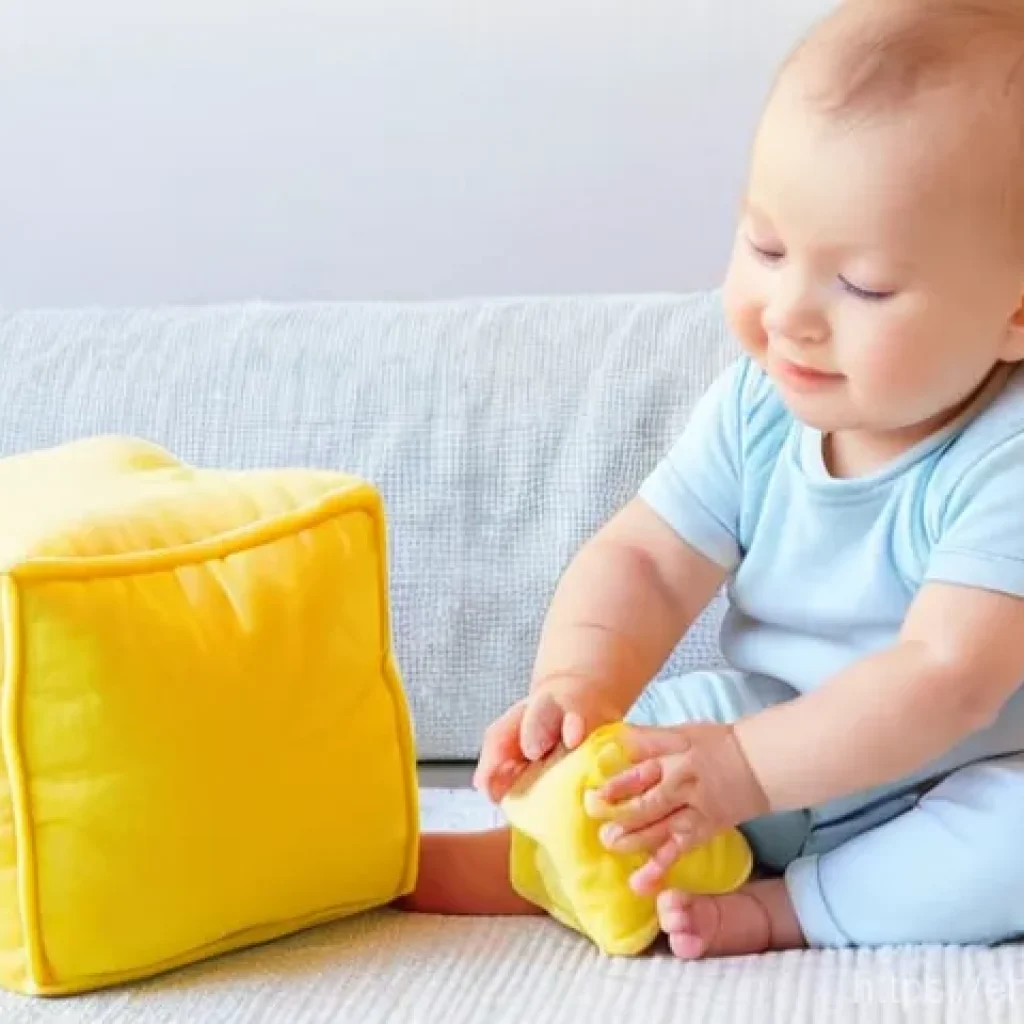
I remember spending a rainy afternoon making a soft activity cube for my son, stitching on different textures and adding little ribbons. When he finally got his hands on it, tugging at the ribbons and exploring the different fabrics, my heart just swelled.
It wasn’t just a toy; it was a tangible piece of my love and effort, a story in itself. Each time he played with it, I saw not just joy in his eyes, but also a quiet understanding of the effort, almost like he knew it was made especially for him.
This personal touch fosters a deeper connection, both with the item and, I believe, with us as parents. It becomes a sentimental keepsake, not just another item to be discarded once outgrown.
Beyond the Price Tag: The True Value of Handmade
Let’s be real, parenting can be expensive! The cost of baby gear, especially developmental toys, can quickly add up, leaving a significant dent in the budget.
That’s why DIY truly shines. Instead of shelling out a fortune for a plastic contraption that might only hold attention for a few weeks, we can repurpose and create with items we already have or can source very affordably.
Think about it: an old oatmeal container can become a fantastic drum, or some spare fabric can be transformed into a soft stacking toy. I used to feel this immense pressure to buy the “best” and most advertised toys, thinking they would somehow unlock my child’s genius.
But what I’ve discovered is that the true value isn’t in the brand name or the price tag; it’s in the engagement, the safety, and the love imbued in the toy.
Homemade items often offer a richer sensory experience and encourage imaginative play far more effectively than some of the more elaborate commercial options.
Safety First: Making Sure Your DIY Toys are Baby-Proof
Okay, let’s talk about the non-negotiable part of DIY: safety. As a mom, nothing is more important than ensuring my little one is safe, and that goes double for anything I make for them to play with.
When you’re crafting, it’s easy to get carried away with the creative process, but pausing to think about choking hazards, sharp edges, or toxic materials is absolutely crucial.
I’ve definitely had moments where I’ve excitedly finished a project, only to realize, “Wait, is this really safe for tiny hands and mouths?” It takes a bit of extra thought and planning, but knowing that what I’ve created is completely secure gives me such peace of mind.
After all, the whole point of making toys yourself is to have control over what your child is exposed to, ensuring it’s the healthiest and safest option possible.
Choosing Non-Toxic Materials
This is probably the most critical step. Babies explore everything with their mouths, so whatever they interact with *will* end up getting gummed, sucked on, or chewed.
This means every single component of your DIY toy needs to be non-toxic. For fabrics, I always opt for natural fibers like cotton or felt, making sure they’re pre-washed without harsh detergents.
If I’m using paint, it has to be non-toxic, lead-free, and specifically labeled “child-safe.” Wood needs to be untreated and sanded silky smooth. Adhesives?
Only food-grade or child-safe glues. I once started a project with some craft glue I had lying around, and then stopped myself, realizing it wasn’t specified as child-safe.
A quick trip to the craft store for the right kind of glue was a small inconvenience for a huge boost in safety. Always double-check labels, and when in doubt, just don’t use it.
It’s truly better to be safe than sorry when it comes to our precious little explorers.
Ensuring Durability and Hazard-Free Design
Beyond the materials, the construction of your DIY toy is equally important for safety. Think about how babies interact with things – they pull, they bang, they drop, and they throw!
Every seam needs to be strong, every knot tight, and every component securely attached. For example, if you’re making a rattle, ensure the filling (like rice or beans) can’t possibly escape, even if the fabric is torn or pulled.
Buttons, small beads, or anything smaller than a golf ball should generally be avoided for babies who are still putting everything in their mouths, as they pose a serious choking hazard.
If you do use them for older children, make sure they are sewn on with industrial-strength thread multiple times, or embedded securely. I recall making a sensory board and being so meticulous about sanding every single piece of wood, ensuring there were absolutely no splinters.
Then, I tested every attachment point by pulling on it with significant force. This kind of rigorous self-testing ensures that our lovingly made toys withstand the enthusiastic (and sometimes destructive!) play of our little ones.
Budget-Friendly Brilliance: Smart Ways to Save and Create
One of the most appealing aspects of DIY baby play equipment, at least for my wallet, is the incredible potential for savings! I mean, who doesn’t love the feeling of creating something wonderful without constantly reaching for their credit card?
I used to feel overwhelmed by the sheer volume of “must-have” baby items, each one seemingly more expensive than the last. But once I started looking at everyday objects with a creative eye, my perspective completely shifted.
It’s like unlocking a secret superpower where ordinary household items transform into extraordinary playthings. This approach not only keeps more money in our pockets for other essentials but also encourages a more resourceful and less consumer-driven mindset, which I think is a great lesson to subtly pass on to our kids.
My husband was initially skeptical, but after seeing the joy (and savings!) from a few of my projects, he’s now my biggest cheerleader, often pointing out potential “toy materials” around the house.
Rethinking Household Items as Play Tools
It’s amazing what you can create with things you might otherwise toss in the recycling bin. I’ve turned empty cardboard boxes into tunnels and forts, plastic bottles into discovery bottles filled with glitter and water, and old socks into adorable hand puppets.
My absolute favorite is using empty tissue boxes to create a “pulling box” with fabric scraps threaded through the top – simple, yet endlessly entertaining for little hands learning dexterity.
The beauty of these repurposed items is that they often offer unique textures, sounds, and shapes that commercial toys sometimes miss. A wooden spoon and an upside-down pot become a drum set.
A stack of mismatched plastic containers becomes a tower to build and knock down. It just requires a little shift in perspective. Instead of seeing an empty toilet paper roll, I now see the potential for a miniature car, a stamp, or even a simple stacking game.
It’s all about looking at the world through a child’s eyes, full of wonder and potential.
Where to Source Affordable Crafting Supplies
You don’t need to splurge on fancy craft store hauls to get started. Often, the best supplies are already in your home, or can be found for next to nothing.
Beyond your recycling bin, think about thrift stores or charity shops. I’ve found some amazing pieces of wood, fabric remnants, and even old kitchen utensils that are perfect for sensory bins or sound explorations for mere pennies.
Garage sales are another treasure trove. Crafting friends are also a fantastic resource; we often swap leftover yarn, fabric scraps, or beads that one of us might not use but another can transform.
Online marketplaces like Facebook Marketplace or local “Buy Nothing” groups can also yield fantastic free materials. And for those times you do need something specific, keep an eye out for sales at your local craft store or utilize coupons.
I’ve learned that a little planning and patience can go a long way in stocking up on essentials without breaking the bank. It’s all about being clever and resourceful, which, let’s be honest, is a skill every parent masters pretty quickly!
Sparking Imagination: Simple DIYs for Sensory and Cognitive Growth
Play is how babies learn about the world, and as a mom, I’m always looking for ways to enrich that learning experience. What I’ve found is that some of the simplest, homemade toys are the most effective at sparking imagination and supporting crucial developmental milestones.
You don’t need flashing lights or complex electronics to stimulate a baby’s mind. In fact, sometimes, those overstimulating toys can hinder natural exploration.
My goal with DIY play equipment is always to create items that encourage open-ended play, where my child is the active participant, exploring and discovering on their own terms.
I’ve seen firsthand how a simple homemade ribbon pull toy can mesmerize a baby for ages, teaching cause and effect, fine motor skills, and hand-eye coordination all at once.
It’s truly incredible how much growth can happen through intentional, yet simple, play.
Engaging Sensory Play Ideas
Sensory play is absolutely vital for babies, helping them develop their five senses and understand their environment. DIY projects are perfect for this!
I love making sensory bottles by filling clear plastic bottles with various materials like rice, beans, glitter, water, and small plastic toys, sealing the lids tightly, of course.
My little one loves shaking them, watching the contents move, and listening to the different sounds. Another favorite is a “sensory basket” filled with safe, varied textures: a soft feather, a smooth wooden block, a bumpy loofah, a silky scarf.
This encourages tactile exploration and helps them categorize different sensations. I also made a “crinkle mat” from old fabric scraps with crinkly plastic (from snack bags, thoroughly cleaned!) sewn inside, which was an instant hit.
The auditory feedback and varied textures kept my baby engaged for what felt like ages, letting me actually finish a cup of coffee while it was still warm!
Boosting Cognitive Skills Through Homemade Fun
DIY toys can be fantastic tools for cognitive development, too. Simple stacking blocks made from sanded wood scraps or even empty, sturdy cardboard boxes teach concepts like gravity, balance, and spatial awareness.
I created a “posting box” from an old shoebox with various shapes cut into the lid, along with corresponding shapes cut from cardboard or sturdy foam.
This was brilliant for teaching shape recognition and problem-solving. My daughter spent so much time trying to fit the square into the square hole, and the circle into the circle hole.
The look of triumph when she finally got it right was priceless! Another idea is a “busy board” made from a wooden plank with securely attached household items like a zipper, a latch, a light switch, and a small mirror.
These practical elements help develop fine motor skills, hand-eye coordination, and an understanding of how things work in the real world.
Creative Movement and Gross Motor Development
Beyond sensory and cognitive engagement, DIY projects can significantly support gross motor skill development. I once crafted a simple ‘crawl tunnel’ using several large cardboard boxes taped together, and it was an instant hit for encouraging crawling and later, walking through.
It’s incredible to watch them navigate through, building confidence and physical strength. Another great example is creating soft, lightweight ‘beanbags’ from fabric scraps filled with dry beans or rice.
These are fantastic for tossing, catching, and even just pushing around, promoting coordination and core strength. My little one adored rolling them down a slight incline I made with cushions, following them and enhancing their balance and stability.
These types of homemade tools are perfect because they are often softer and more forgiving than plastic alternatives, making early exploration and movement safer and more fun.
| DIY Toy Idea | Key Developmental Benefits | Recommended Materials |
|---|---|---|
| Sensory Bottles | Visual tracking, auditory stimulation, cause & effect | Clear plastic bottles, water, glitter, rice, small toys, secure caps |
| Fabric Crinkle Mat/Book | Tactile exploration, auditory stimulation, fine motor skills | Fabric scraps, clean plastic crinkle material, sewing supplies |
| Posting Box | Shape recognition, problem-solving, fine motor skills | Shoebox, cardboard/foam shapes, craft knife, glue |
| Soft Stacking Blocks | Gross motor skills, spatial awareness, balance | Fabric scraps, stuffing, sewing machine (optional) |
| Ribbon Pull Toy | Fine motor skills, hand-eye coordination, cause & effect | Small sturdy box, ribbons, safe grommets (optional) |
From Crib to Toddler: Adaptable DIYs That Grow With Your Child
One of the smartest things I’ve learned in my DIY journey is how to make toys that aren’t just for one phase, but can actually evolve with your child.
Babies grow so fast, don’t they? It feels like you buy a toy, and before you know it, they’ve completely outgrown it. This is where adaptable DIY projects really shine.
Instead of creating something that has a very short shelf life, I try to think about how a toy can be modified or used differently as my child develops new skills and interests.
It’s a fantastic way to maximize your effort and resources, and frankly, it just makes good sense. I love the feeling of not having to constantly replace items, but rather seeing them transform and continue to provide joy and learning for years.
Toys That Evolve with Developmental Stages
Let’s take a simple set of homemade wooden blocks, for example. For a young baby, they might just be fascinating objects to grasp and mouth (assuming they’re sanded smooth and untreated, of course).
As they get a bit older, they become perfect for stacking, knocking down, and learning about gravity. Then, as a toddler, those same blocks can be used to build elaborate towers, houses for their animal figures, or even form letters and numbers.
Another great adaptable DIY is a collection of scarves. For an infant, they’re wonderful for peek-a-boo or for exploring different textures. As a crawler, they can be pulled through a tissue box.
For a toddler, they become capes, blankets for dolls, or part of an imaginative dance routine. This kind of versatility ensures that the effort you put into making something lasts much longer than just a few months.
Transforming Play Items for Extended Use
Sometimes, a DIY toy just needs a little tweak to take it to the next level. That sensory basket I mentioned earlier? Once my baby outgrew mouthing everything, I added small, safe “loose parts” like pinecones (cleaned and baked!), large buttons, or even small craft pompoms.
The posting box for shapes can later become a mail sorter for older toddlers, teaching them about letters and simple categorization. A homemade busy board, which is perfect for an infant learning cause and effect with switches and latches, can also be a fantastic tool for a preschooler developing fine motor skills for dressing themselves.
I even turned a simple fabric tunnel into a fun storage solution for soft toys when it wasn’t being actively crawled through. It’s all about looking at the item and asking, “How else can this be used?
What new challenge can I introduce with this same base?” It’s a creative puzzle for us parents, and an extended adventure for our kids.
The Eco-Conscious Crafter: Sustainable Play for a Brighter Future
Being a mom has really amplified my awareness of our environmental footprint. Every time I see a mountain of discarded plastic toys, I can’t help but think about where it all goes.
That’s why one of the biggest reasons I’m such a huge advocate for DIY baby play equipment is its incredible potential for sustainability. It’s not just about saving money; it’s about making mindful choices that benefit our planet and, by extension, our children’s future.
It feels so good to know that I’m actively reducing waste, reusing materials, and teaching valuable lessons about resourcefulness right from the start.
I’ve found that many of my DIY projects are not only greener but also more beautiful and unique than anything mass-produced.
Minimizing Waste with Upcycled Treasures
Upcycling is basically my superpower as a DIY mom! Instead of throwing things away, I constantly challenge myself to see their potential as a plaything.
Empty toilet paper rolls, sturdy cardboard boxes from online deliveries, old T-shirts, even plastic food containers – all of these can be given a second life as exciting new toys.
This drastically cuts down on household waste and reduces the demand for new manufacturing, which often consumes significant resources and energy. I’ve turned old baby food jars into beautiful discovery jars and created an entire play kitchen from a large appliance box.
It’s amazing how much joy can come from something that was once destined for the trash. My kids also get a kick out of seeing their “new” toy emerge from something familiar, fostering a sense of appreciation for what we already have.
Teaching Green Values Early On
Beyond the immediate benefit of reducing waste, DIYing with upcycled materials offers a fantastic opportunity to subtly instill green values in our children.
While a baby might not understand the concept of sustainability, they observe our actions. When they see us transforming an old box into a rocket ship, they’re learning about resourcefulness and creativity.
As they grow older, we can explicitly talk about how we’re making new things from old ones to help the Earth. This lays the groundwork for them to become environmentally conscious adults.
It’s a wonderful feeling to know that through something as simple and joyful as making a toy, I’m contributing to a brighter, greener future for my little ones, and teaching them that caring for our planet can be fun and creative.
Beyond the Blueprint: Adding Your Personal Touch to Playtime
You know, one of the things I truly love about diving into the world of DIY baby play equipment is that it’s not just about following instructions; it’s about infusing each creation with a piece of yourself.
It’s where your creativity really gets to shine! While there are tons of fantastic ideas and tutorials out there, the real magic happens when you take those concepts and personalize them.
After all, every child is unique, with their own budding personality, interests, and quirks. Tailoring a toy specifically for them makes it so much more meaningful and engaging.
I’ve found that these personalized touches are often what makes a homemade toy truly cherished, turning it from a simple object into a beloved companion.
It’s a chance to really show your child how much thought and love goes into their world.
Customizing for Your Child’s Unique Interests
Think about what genuinely captivates your little one. Does your baby love certain colors? Are they fascinated by animals, textures, or sounds?
When I made a fabric soft book for my daughter, I made sure to include pages with her favorite forest animals and different fabric textures I knew she’d love to explore.
For my son, who was obsessed with anything that rolls, I focused on making simple wooden cars and balls from repurposed materials. By observing their early curiosities, we can create toys that resonate deeply with them and hold their attention far longer.
It’s like speaking their play language! This thoughtful customization doesn’t just make the toy more appealing; it actually supports their developing interests and encourages deeper engagement, which is exactly what we want from their play experiences.
Involving Older Siblings in the Crafting Process
If you have older children, inviting them to help with DIY projects for the baby is a fantastic idea, and it’s something I absolutely adore doing. It’s not just about getting an extra pair of hands; it’s about fostering a sense of connection, responsibility, and excitement for their new sibling.
My older son loved picking out fabric colors for his baby sister’s sensory blanket and even helped (with close supervision, of course!) with some of the simpler gluing steps for a soft block toy.
This involvement makes them feel like a crucial part of the baby’s world and helps build a bond even before the baby can interact much. It also teaches them about creative expression, patience, and the joy of giving.
The pride they feel when the baby plays with something they helped create is truly heartwarming and worth every bit of extra effort.
Wrapping Things Up
Honestly, reflecting on my journey with DIY baby play equipment, it’s not just about the adorable little creations or the money I’ve saved, though those are certainly wonderful perks. It’s truly about the deeper connection I’ve felt with my children and the quiet confidence that comes from knowing I’m providing them with safe, stimulating, and uniquely personal play experiences. Every crinkle toy, every hand-sewn soft block, holds a story of creativity, love, and resourcefulness. It’s an invitation to slow down, engage with purpose, and rediscover the simple magic that can be found in a repurposed box or a handful of fabric scraps. I really hope this post sparks a little bit of that creative fire in you, encouraging you to dive in and discover the incredible joy and fulfillment that comes from crafting for your little ones.
Handy Tips for Your DIY Play Journey
1. Start Simple: Don’t feel pressured to create a masterpiece on your first try. Begin with easy projects like a sensory bottle or a fabric crinkle toy. Gaining confidence with smaller wins makes the whole process much more enjoyable and less intimidating. Remember, progress, not perfection, is the goal!
2. Safety is Paramount: Before *any* toy makes it into your little one’s hands, give it a rigorous safety check. Tug on seams, inspect for sharp edges, and ensure all components are securely attached and non-toxic. When in doubt, err on the side of caution. Their safety is always worth the extra moment of inspection.
3. Embrace Everyday Resources: Your home is a treasure trove of potential play materials! Empty cardboard boxes, old t-shirts, plastic containers, and even natural elements like smooth pebbles (cleaned and safe, of course) can be transformed into engaging toys. It’s amazing what a little imagination can do with what you already have.
4. Involve Older Siblings: If you have older children, invite them to participate in the crafting process. It’s a wonderful way to foster sibling bonding, teach them about sharing and responsibility, and let their creativity flourish. Plus, it makes them feel like a valued part of the baby’s world.
5. Personalize with Purpose: Tailor your creations to your child’s specific interests and developmental stage. Does your baby love bright colors, crinkly sounds, or specific textures? Incorporating these elements will make the toy far more engaging and meaningful, encouraging deeper exploration and longer play times.
Key Highlights to Remember
Ultimately, diving into DIY baby play equipment is a deeply rewarding endeavor that brings a wealth of benefits. You’re not just saving money; you’re actively creating safer, more personalized, and environmentally conscious toys that are perfectly tailored to your child’s unique developmental journey. This approach fosters a deeper connection through thoughtful creation, promotes valuable life skills like resourcefulness, and offers endless opportunities for imaginative, open-ended play. It’s about building a world of wonder for your little one, one lovingly handmade item at a time, ensuring every moment of play is filled with intention and joy, enriching their early years in ways that mass-produced items simply can’t match.
Frequently Asked Questions (FAQ) 📖
Q: What are the absolute must-know safety tips when I’m making DIY toys for my baby?
A: Oh, this is such a crucial question, and honestly, it’s always the first thing on my mind when I’m dreaming up a new project for my little one. The safety of our babies is paramount, right?
My top tip, and something I swear by, is to always think like a baby. If it can go in their mouth, it will! So, for starters, ensure all materials are non-toxic.
That means using things like unfinished wood, natural cottons or felt, and if you’re adding any color, grab some baby-safe, food-grade paints. Steer clear of small pieces that could become choking hazards.
I mean, really small – anything that could fit inside a toilet paper roll is a no-go for babies under three. When I’m attaching things, I use the strongest stitches or the safest, non-toxic glues I can find, then I give it a good tug myself, almost like a durability test.
Smooth edges are another big one for me. No sharp corners or splinters, especially on wooden items. I always sand everything down until it’s silky smooth.
And please, please, please, regularly inspect your homemade toys for any wear and tear. A quick check before playtime can prevent any mishaps. I’ve personally learned that even the most well-made toy can start to show signs of love (and teething!) over time, so an eagle eye is your best friend here.
Trust me, a few extra minutes of careful crafting and checking goes such a long way in keeping those precious smiles safe.
Q: I’m not exactly a crafting pro. What are some genuinely simple DIY baby play equipment ideas that even I can tackle?
A: You know, when I first started, I thought I needed to be a master crafter to make anything decent, but boy, was I wrong! Some of the most beloved and stimulating DIY baby toys are incredibly simple.
Seriously, don’t feel intimidated – your creativity is enough! One of my absolute go-to’s for beginners is a sensory bottle. All you need is an empty, clean plastic bottle (a water bottle works perfectly!), some water, glitter, maybe a few drops of food coloring, and anything else small and colorful you want to put inside – beads, sequins, even a bit of dish soap for a slower flow.
Just make sure to super-glue the lid tightly shut, like, really, really tight! Another favorite is a simple fabric crinkle toy. You can use two squares of fabric (even old t-shirts or burp cloths work) and sew them together with a piece of crinkly material inside, like a clean potato chip bag or some parchment paper.
Just leave a small opening, insert the crinkle, and sew it up. Babies adore that sound! You could also string some colorful ribbons onto a wooden ring for a tactile toy – again, ensure the ribbons are securely tied and not too long to avoid any entanglement.
Or, how about some soft, fabric blocks? Cut out six squares of fabric, sew them into a cube, and stuff them with fabric scraps or old socks. These are wonderful for stacking and gross motor skills.
I’ve found that my little one often gravitates towards these simple, textural items more than the flashing, noisy store-bought ones. The beauty is in the simplicity and the personal touch!
Q: Beyond saving a few bucks, what are the real long-term benefits of choosing DIY over store-bought baby toys?
A: Oh, the savings are definitely a sweet bonus, right? I mean, who doesn’t love keeping a few extra dollars in their pocket, especially with a baby in the house?
But honestly, the real long-term benefits of making DIY baby play equipment go so much deeper than just the financial aspect. For me, it’s about the unique connection and the learning journey.
First off, you have complete control over the materials. When you buy a toy off the shelf, you’re trusting the manufacturer, but when you make it yourself, you know exactly what went into it – no hidden plastics, no mystery chemicals.
That peace of mind is priceless. Then there’s the environmental impact. I’ve become so much more conscious about reducing waste, and DIY toys are fantastic for upcycling materials you already have, giving them a new life instead of sending them to a landfill.
It feels good knowing you’re making a positive difference. And here’s something I’ve seen firsthand: my child engages with the DIY toys differently. They’re often more open-ended, encouraging more imaginative play because they don’t do everything for the child.
A simple set of wooden blocks or a textured fabric ball can become a thousand different things in their mind, fostering creativity and problem-solving in a way that many electronic toys just can’t replicate.
Plus, there’s an incredible sense of accomplishment and love that gets woven into each piece. When I see my little one playing happily with something I crafted, it’s a truly heartwarming moment, knowing I made something special just for them, filled with intention and care.
It’s not just a toy; it’s a tiny piece of my heart.