Oh, that moment! There’s truly nothing quite like watching your little one teeter on the edge of a brand new adventure, ready to take those incredible first steps.
As a parent who’s been through it, I can tell you it’s a whirlwind of emotions – pure joy, a touch of nervousness, and maybe even a bittersweet feeling as your tiny baby morphs into a determined toddler.
We all want to give our children the best start, and helping them find their feet is a huge part of that journey. It’s easy to get caught up in comparing milestones or wondering if you’re doing enough, but from what I’ve seen and experienced, fostering a supportive, loving environment is key.
Forget the old notions of “teaching” your baby to walk; modern parenting understands that it’s more about creating the right opportunities and gently guiding them as they discover their own balance and strength.
I’ve personally learned so much about the subtle cues our babies give us, and how simple tweaks in our approach can make all the difference, enhancing their natural development without pushing too hard.
It’s about celebrating every wobble and tiny triumph, knowing that each one builds confidence. We’ll dive deep into those invaluable insights that can truly empower your little explorer.
Let’s make this magical milestone smooth, safe, and truly unforgettable for both of you! Below, we’re going to uncover exactly how you can effectively support your baby’s exciting journey to independent walking.
Setting the Stage: Crafting Your Little One’s Exploration Hub
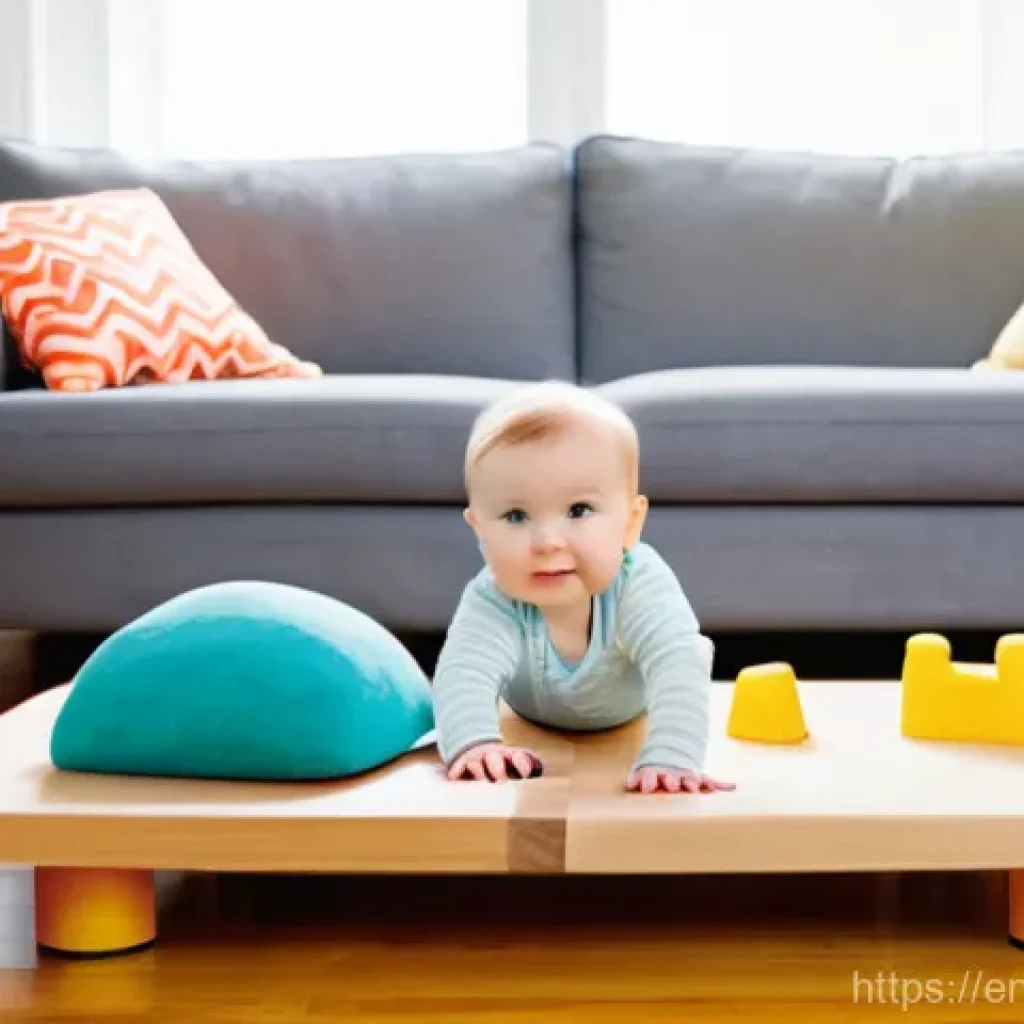
There’s this amazing energy that fills your home when your baby is on the cusp of walking, isn’t there? It’s like their tiny minds are buzzing with curiosity, and their bodies are itching to move! From my own journey, I’ve found that creating an inviting and safe space is perhaps the most crucial first step. It’s not just about baby-proofing, though that’s definitely a huge piece of the puzzle. It’s about designing an environment that subtly encourages movement, exploration, and those adorable, wobbly attempts at standing and cruising. Think about it: if they feel secure and have interesting things to reach for, they’re far more likely to take the plunge. I remember spending ages on my hands and knees, looking at the world from my baby’s perspective, identifying potential hazards but also opportunities for gentle adventure. We want them to feel empowered, not restricted, so an open, engaging area where they can freely move without constant intervention is key. It really makes a difference to their confidence when they know they can explore without a helicopter parent constantly hovering, even though every fiber of your being wants to do just that!
Clearing the Path for Tiny Explorers
One of the first things I always recommend is to literally clear the decks. That coffee table with the sharp corners? Time for it to be temporarily relocated or heavily padded. Those floor lamps that look so chic? They can be a serious tipping hazard. My personal rule of thumb became: if it could fall on them, or they could fall onto it and get hurt, it needed to go or be secured. This isn’t about sterilizing your home; it’s about making calculated adjustments. A soft rug or play mat area is fantastic, not just for cushioning inevitable falls, but also for providing a non-slip surface that helps with grip as they push up to stand. I found that a clear, open stretch of floor, perhaps leading from one piece of furniture to another, naturally invited my little one to try cruising. It’s amazing how a simple, unobstructed path can become a superhighway for budding walkers.
Thoughtful Toy Placement to Encourage Movement
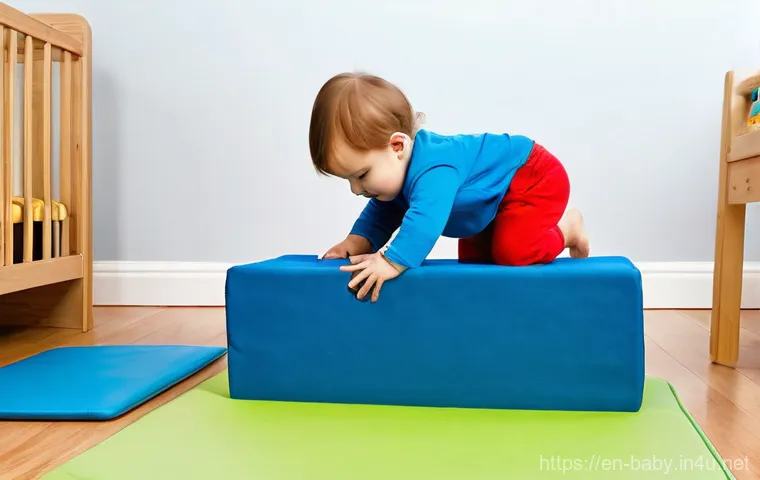
Beyond just safety, strategically placing toys can work wonders. Instead of having everything in a basket, try scattering a few favorite, sturdy toys just out of reach, encouraging them to crawl a little further, pull themselves up, or take a tentative step to grab something exciting. I loved putting a favorite soft block or a chunky toy animal on the sofa cushion, just high enough that they had to pull themselves up to get it. This kind of “motivational maneuvering” is really effective because it taps into their natural curiosity and desire to interact with their world. It’s not about forcing them; it’s about creating delightful little challenges that they’ll want to conquer. And oh, the pure joy on their faces when they finally grasp that toy after a big effort? Absolutely priceless!
Decoding Your Little One’s Readiness Signals
It’s fascinating, isn’t it, how our babies communicate so much without saying a single word? When it comes to walking, they give us so many subtle, and sometimes not-so-subtle, cues that they’re getting ready to embark on this monumental journey. As a parent, learning to tune into these signals was a game-changer for me. It’s easy to get caught up in comparing your baby to others or to developmental charts, but honestly, every child follows their own unique timeline, and paying attention to *their* readiness is paramount. What I’ve personally observed is that these signals often start long before they actually take a step – they’re building blocks, little victories along the way. From the moment they start pushing up in tummy time to mastering crawling and then pulling themselves up, each stage is a preparation for the grand finale. Don’t rush it; truly savor these moments and celebrate every tiny milestone. That sense of accomplishment they feel at each stage boosts their confidence for the next big leap!
Observing the Pre-Walking Preparations
You’ll start seeing a flurry of activity as their bodies get stronger and more coordinated. One of the clearest signals is when they become a champion crawler, perhaps moving with increasing speed and dexterity. Then comes the pulling-up stage, which is usually a dead giveaway. They’ll start using furniture, your legs, anything stable to hoist themselves upright. I remember my little one pulling up on everything – the coffee table, the bottom shelf of the bookcase, even the dog’s back once (gently, thankfully!). They might start “cruising” along furniture, side-stepping like a tiny crab, testing their balance and getting a feel for moving their legs while bearing weight. These cruising sessions are fantastic practice for independent walking, building core strength and coordination. You might also notice them trying to stand unsupported for brief moments, wobbling like a newborn fawn, before dropping back down. These are all beautiful signs that their muscles are strengthening and their balance is improving.
The Language of Balance and Exploration
Beyond the physical actions, there’s a distinct shift in their exploratory behavior. They might start reaching for things that require them to shift their weight, or they’ll show intense interest in toys positioned just out of reach when they’re standing. You might also notice them trying to take tiny, hesitant steps while holding onto your hands, or even just one hand. The way they react to slight imbalances, catching themselves or adjusting their footing, tells you a lot about their developing equilibrium. What I’ve found to be particularly telling is their increasing curiosity about vertical spaces. They want to see what’s on the table, what’s up on the shelf. This drive to explore from a new vantage point fuels their desire to get on their feet. Encourage this curiosity with safe, engaging activities that let them stretch, reach, and practice those balance skills.
The Power of Play: Fun Activities to Boost Mobility
Oh, the magic of play! It’s not just about keeping them entertained; it’s truly how our little ones learn and develop, especially when it comes to something as monumental as walking. From my perspective, the best way to encourage those first steps is to make it feel like a game, an exciting adventure, rather than a task. Forget rigid “exercises”; think joyful, interactive moments that naturally build strength, coordination, and confidence. I’ve discovered that when something is fun, babies are far more engaged and willing to push their own boundaries, often without even realizing they’re “working out.” It’s about creating those spontaneous moments of giggles and triumphs that make the whole process feel less like a developmental milestone and more like a delightful part of their day. We’re not “teaching” them to walk; we’re playing with them in a way that helps them discover their own amazing capabilities.
Interactive Games to Spark Movement
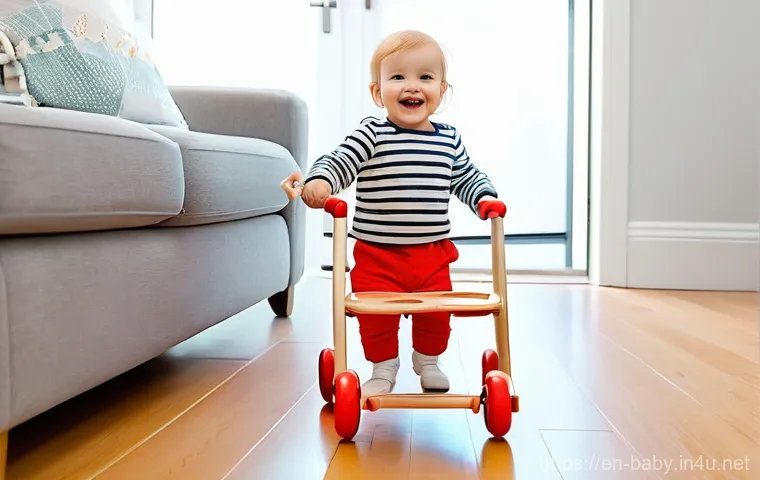
Think about games that encourage reaching, cruising, and even those first wobbly steps. “Follow the Leader” on hands and knees is fantastic, or having them crawl to you from across the room for a big hug. Once they’re pulling up, try placing their favorite soft toy on a low, sturdy surface like a sofa cushion, just slightly out of reach. This encourages them to cruise along the furniture to retrieve it. I used to sing silly songs and slowly back away, holding out a toy, just to entice my little one to take one or two independent steps. “Push toys” with handles are also brilliant – think little grocery carts or walkers (the push-behind kind, not sit-in ones). They provide stability and a sense of control, letting babies practice their balance and stride with support. The key is to keep it light, joyful, and responsive to your baby’s mood. If they’re getting frustrated, switch gears or take a break. We want positive associations!
Building Core Strength Through Play
It’s easy to forget that walking isn’t just about leg strength; it’s heavily reliant on a strong core and good balance. Engaging in floor play that encourages rolling, twisting, and reaching in different directions is incredibly beneficial. Tummy time, even for older babies, is still a powerhouse for strengthening those back and neck muscles. Try lying on the floor with your baby and gently rolling them from side to side, or holding them in a standing position with their feet on your lap, letting them bounce. My little secret was always the “airplane ride” – gently holding them in a horizontal position and swooping them around (safely, of course!). These kinds of movements help them develop spatial awareness and the muscle memory needed to stay upright. Remember, every giggle, every stretch, every reach is contributing to their grand walking adventure!
Choosing the Right Gear (and What to Avoid!)
Navigating the world of baby gear can feel like a minefield, especially when it comes to something as important as supporting their physical development. As a parent who’s been there, I totally get the desire to buy all the things that promise to make this journey easier or faster. However, what I’ve learned through experience, and seeing many other parents go through it, is that sometimes less is more, and certain items can actually hinder more than they help. It’s not about expensive gadgets; it’s about smart choices that genuinely support your baby’s natural progression. My biggest piece of advice is to really scrutinize what a product claims to do versus what it actually encourages in terms of natural movement and development. We want to empower their bodies to figure things out, not create artificial support systems that bypass crucial developmental stages.
What to Embrace: Supportive and Encouraging Tools
When it comes to gear, think about items that *assist* rather than *restrict*. Push walkers, the kind your baby pushes from behind, are fantastic! They offer a stable support bar for your little one to lean on as they take steps, allowing them to practice their balance and coordination while still engaging their core muscles. I remember my child absolutely loving their push walker, zooming around the living room like a tiny race car driver. Look for ones with adjustable heights and good wheel friction so they don’t just shoot out from under your baby. Activity centers that allow them to stand and pivot, engaging their legs and core, can also be beneficial in moderation, but ensure they don’t spend hours in them. The key is to ensure their feet are flat on the ground and they can move freely within the perimeter. High-quality play mats also deserve a mention; they provide a safe, non-slip surface that’s perfect for all stages of motor development.
What to Approach with Caution (or Skip Entirely!)
Now, let’s talk about the infamous sit-in baby walkers. While they might seem like a convenient way to keep your baby entertained, many pediatricians and physical therapists actually advise against them. My personal experience, combined with widespread professional guidance, suggests they can actually delay walking because they don’t allow babies to develop the necessary balance and muscle strength in their hips and legs. Babies often learn to walk on their tiptoes in these, which isn’t the natural heel-to-toe gait. Plus, they can be a serious safety hazard, allowing babies to reach dangerous objects or fall down stairs. Similarly, baby “jumpers” or exersaucers should be used sparingly. While they offer some entertainment, prolonged use can again hinder natural development by not allowing babies to explore their environment and develop movement patterns at their own pace. Always prioritize floor time and free movement over restrictive devices.
| Gear Type | Benefits for Walking | Things to Consider / Cautions |
|---|---|---|
| Push Walkers (push-behind) | Encourages natural gait, builds leg strength and balance, provides stability. | Ensure sturdy construction and good wheel friction. Supervise closely. |
| Activity Centers (stationary) | Allows standing and pivoting, engages legs and core, offers entertainment. | Use in moderation; ensure feet are flat on the ground. Not for prolonged use. |
| Soft Play Mats | Provides a safe, non-slip surface for crawling, pulling up, and falling. | Look for adequate cushioning and non-toxic materials. |
| Sit-in Baby Walkers | May seem convenient for mobility and entertainment. | Can hinder natural development (tiptoe walking), a significant safety hazard (falls, reaching dangerous items). Generally not recommended by experts. |
| Baby Jumpers/Exersaucers | Offers entertainment and some leg exercise. | Use sparingly. Can restrict natural movement and development if overused. Ensure baby’s feet are flat or nearly flat. |
Navigating the Tumbles and Building Confidence
Oh, the tumbles! They’re an inevitable, albeit heart-stopping, part of learning to walk. As a parent, my instinct was always to rush in and prevent every fall, but I quickly realized that a few bumps and wobbles are actually essential for building resilience and confidence. It’s truly a balancing act between keeping them safe and allowing them the freedom to learn from their own experiences. I’ve found that my reaction to a fall often dictated how my child felt about it. A calm, reassuring “Oops! Up we go!” followed by a quick check and a smile, worked wonders compared to an anxious gasp. They’re watching us constantly, picking up on our cues, so radiating a sense of calm and encouragement is key. This stage isn’t just about physical development; it’s a huge leap in their emotional and psychological growth too, as they learn to persist through challenges.
Embracing the Wobbly Journey with Encouragement
One of the most powerful tools you have is your voice and your presence. Cheering them on, clapping for their efforts, and offering a reassuring smile can make all the difference. When they’re cruising along furniture or taking those first independent steps, try to position yourself a few feet away, inviting them to come to you. This provides a safe “landing pad” if they wobble. What I’ve found incredibly helpful is to offer my hands for support, but not to hold them so tightly that they don’t feel their own balance. It’s like being their human training wheels – there to catch them, but letting them do most of the pedaling. Remember, every fall is a lesson in equilibrium. They’re learning how to shift their weight, how to brace themselves, and how to recover. It’s a vital part of the process, as long as the environment is safe and the falls aren’t leading to serious injury. Celebrate every single effort, not just the successful steps.
Creating a Safe Landing Zone and Bouncing Back
Beyond removing hazards, making sure your floor surfaces are forgiving can greatly reduce the severity of tumbles. Soft rugs, foam play mats, or even just carpeted areas are much better for those inevitable falls than hard tile or wood. I invested in some really plush play mats, and it took so much pressure off me, knowing that a little bump wouldn’t turn into a major incident. When they do take a tumble, assess the situation calmly. If it’s just a little bottom thud, a simple “All better!” and a quick hug is usually enough. If they’re genuinely upset, offer comfort, but try to get them back to playing and moving relatively quickly, if they’re up for it. This teaches them resilience – that falling is part of the process, and you can always get back up. My goal was always to foster a sense of adventure and fearlessness, within safe boundaries, of course!
Beyond the First Steps: What Comes Next
That moment when your baby takes those first glorious, independent steps? It’s etched in your memory forever, isn’t it? It feels like the finish line of a marathon, but truly, it’s just the beginning of a whole new adventure! What I’ve experienced is that once they get a taste of independent mobility, there’s no stopping them. It’s a rapid evolution from tentative steps to confident strides, running, jumping, and exploring their world with newfound freedom. This next phase is just as exciting, if not more so, because their personality really shines through in their movements. They’ll be driven by an insatiable curiosity, wanting to touch, see, and interact with everything at their eye level. As a parent, this is where you pivot from guiding their first steps to fostering their growing independence and ensuring their continued safety in a much more dynamic environment. It’s a joy to watch them blossom into little explorers!
Mastering the Art of Independent Mobility
Once those first steps become more frequent, you’ll notice a rapid improvement in their balance and coordination. They’ll transition from a wide-legged, high-armed “robot walk” to a more refined, confident gait. Soon, they’ll be able to turn around, stop, and start with more control. This is when the real fun begins: running, climbing, and exploring new challenges. Encourage these new skills with activities like chasing bubbles, kicking a soft ball, or navigating a simple obstacle course with pillows and tunnels. I found that allowing them supervised opportunities to climb on low, sturdy furniture (like a sofa) or small indoor slides really helped them develop their gross motor skills and spatial awareness. Always ensure there’s a soft landing and you’re right there to spot them, but let them figure out how to get up and down. Their self-reliance grows immensely with each successfully conquered physical challenge.
Ensuring Continued Safety in a Mobile World
With newfound mobility comes a whole new level of baby-proofing. What was once out of reach is now fair game! This means a fresh look at your home from a toddler’s perspective. Secure all furniture to the walls to prevent tipping, install safety gates at the top and bottom of stairs, and move anything fragile or dangerous to higher shelves. Electrical outlets need covers, and cabinet latches become essential. I remember thinking I was done with baby-proofing after the crawling stage, only to realize I had to go through the house *again* with my walking toddler in mind. It’s a continuous process, and staying one step ahead of their developing capabilities is crucial. This active stage also means more outdoor adventures, so thinking about appropriate footwear and sun protection becomes more important. Embrace their boundless energy, but always keep safety at the forefront of their exciting, mobile world!
글을 마치며
Watching your little one take those first wobbly steps is truly one of the most heartwarming milestones in parenthood. It’s a journey filled with tiny triumphs, adorable tumbles, and an incredible amount of growth, both physical and emotional. Remember, every baby moves at their own pace, and your role is to provide a loving, safe, and encouraging environment for them to explore and discover their amazing capabilities. Embrace every moment, celebrate every effort, and know that you’re laying the foundation for a lifetime of confident exploration. It’s not just about walking; it’s about fostering independence and a curious spirit in your child.
알아두면 쓸모 있는 정보
1. Prioritize Floor Time: I cannot stress this enough! The more time your baby spends on the floor, crawling, sitting, pulling up, and cruising, the more opportunities they have to naturally build the muscle strength, coordination, and balance needed for walking. Resist the urge to keep them in carriers or bouncers for extended periods. Real-world exploration is their best teacher.
2. Strategic Toy Placement: Instead of just putting all their toys in a bin, try scattering a few favorites just out of reach. This simple trick encourages them to crawl further, pull themselves up, or take a tentative step to get what they want. It turns “exercise” into a fun, self-directed mission, tapping into their natural curiosity and desire to interact with their surroundings.
3. Invest in Quality Push Walkers (Not Sit-In): From my experience, a sturdy, push-behind walker is a game-changer. It gives them confidence and support as they practice their stride and balance, allowing them to feel independent without being fully reliant on you. Always look for one that’s stable and has good wheel resistance so it doesn’t just zoom away from them.
4. Embrace the Tumbles Calmly: Falls are an inevitable part of learning. How you react really influences your baby’s confidence. A calm, reassuring “Oops, up you go!” and a quick hug, rather than an alarmed gasp, teaches them that it’s okay to fall and that they can get back up. Creating a soft landing zone with rugs or play mats helps immensely in this phase.
5. Child-Proofing is a Continuous Process: Just when you think you’re done, they reach a new height or develop a new skill. As they get mobile, regularly reassess your home from their new perspective. Secure furniture, cover outlets, and keep dangerous items well out of reach. It’s an ongoing task, but crucial for their safety as their world expands.
중요 사항 정리
Encouraging your baby’s first steps is a deeply personal and joyous journey, requiring patience, observation, and a whole lot of love. The core principles revolve around fostering a safe, stimulating environment that naturally encourages movement and exploration. Remember that your little one’s readiness signals are paramount; every child develops at their own unique pace, so avoid comparisons and celebrate their individual milestones. Prioritize unstructured floor play to build essential core strength, balance, and coordination, and carefully select gear that supports natural development, like push walkers, while exercising caution with items that can hinder it, such as sit-in walkers. Most importantly, approach every wobble and tumble with calm encouragement, teaching resilience and fostering a brave spirit. The journey to walking is not just about physical steps, but about building confidence and independence for all the adventures yet to come.
Frequently Asked Questions (FAQ) 📖
Q: When do babies typically start walking, and what if my baby seems “behind”?
A: Oh, this is such a common worry, and believe me, I’ve been there! It’s so easy to compare your little one to others, but what I’ve learned is that every baby truly walks to the beat of their own drum.
Generally, most babies take their exciting first steps anywhere between 9 and 18 months old. While the average is often cited around 12 to 15 months, some little adventurers might start as early as 9 months, and others perfectly normally might not be ready until 17 or even 18 months.
It’s a wide range, and it’s totally okay! Before walking, your baby is busy mastering a whole cascade of skills: rolling, sitting without support, crawling (though some skip this!), pulling themselves up to stand, and “cruising” along furniture.
If your baby is progressing through these pre-walking milestones and showing curiosity about movement, just keep providing that loving support. If your little one is 18 months or older and hasn’t started walking independently, or if you have any genuine concerns about their overall development, that’s when it’s absolutely a good idea to have a chat with your pediatrician.
They can offer reassurance or guidance if needed.
Q: What are the best ways to gently encourage my baby to walk without “forcing” it?
A: This is where the magic happens, and it’s less about “teaching” and more about creating an irresistible invitation to explore! From my own experience, and what experts often recommend, the key is to foster their natural curiosity and build their confidence.
One of my favorite tips, and one I saw work wonders, is letting them go barefoot as much as possible indoors. Seriously, their little feet get so much sensory feedback from feeling different textures and surfaces, which is crucial for developing balance and coordination.
Set up a safe, clear space for them to roam. Remove any tripping hazards and make sure furniture is secure so they can pull themselves up and cruise without a worry.
Try placing their favorite toys slightly out of reach on a low couch or coffee table to encourage them to pull up, stand, and take those tiny steps while holding on.
As they gain confidence, you can gradually increase the distance between supportive objects, enticing them to take a step or two independently. Push toys, like sturdy baby strollers or small shopping carts, can also be fantastic.
They give your baby a sense of independence and support as they push forward, helping them practice balance and coordination. Remember, celebrate every wobble and every small step with huge smiles and praise – that positive reinforcement goes a long way!
Q: Are there any common mistakes or things parents should avoid when helping their baby learn to walk?
A: Absolutely, and this is super important because some well-intentioned actions can actually hinder their natural development or even be unsafe. The biggest one I always hear about, and personally avoided, is the use of traditional baby walkers where your baby sits inside.
Experts strongly discourage these! They don’t help babies learn to walk on their own balance, often rely on momentum, and can be quite dangerous due to speed and accessibility to hazards.
Another thing I’ve learned is to resist the urge to constantly hold your baby by their hands to walk. While it might feel like you’re helping, it can actually prevent them from developing their own balance and sensing spatial relations.
When you do support them, try holding them around their trunk or waist instead; this encourages a more natural gait and allows them to distribute their weight properly through their feet, not just on their toes.
And honestly, don’t fuss too much over falls. Tumbles are a completely normal and necessary part of the learning process! If they’re not hurt, a calm “Oops!” and encouragement to get back up helps them build resilience and avoids developing a fear of falling.
Keep those floor clear, secure heavy furniture, and know that a few bumps are part of the journey.