A rocking cradle can be safe for sleep only when it is specifically intended and labeled for infant sleep and provides a firm, flat, empty sleep surface.
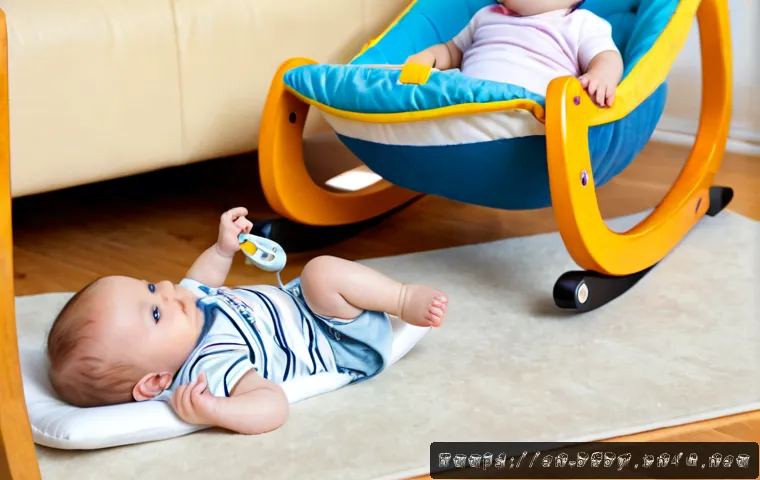
The rocking motion itself does not make sleep safer, and it should be treated as a soothing feature rather than a safety feature. For many families, the choice comes down to whether they need motion, bedside convenience, or a simple dedicated sleep space.
Comparing a rocking cradle, standard bassinet, and bedside sleeper can help avoid paying extra for features that do not improve safe sleep. Before buying, check the product manual, stated limits, locking system, mattress fit, and availability of replacement parts.
At a Glance
- Safe infant sleep starts with a firm, flat, non-inclined, empty sleep surface—not with a rocking function.
- Use a cradle or bassinet only if its labeling and instructions state that it is intended for infant sleep.
- Check assembly, locks, mattress condition, and the product’s age, weight, and developmental stop-use limits before every use.
| Option | Best Use | Key Safety Checks | Accessory and Value Considerations |
|---|---|---|---|
| Rocking Cradle | Families who want a sleep space with a separate soothing motion feature. | Confirm sleep labeling, firm flat surface, secure locking mechanism, stable base, and stated stop-use limits. | May require a compatible replacement mattress later. Motion can add convenience, but it does not add sleep safety. |
| Standard Bassinet | Simple newborn sleep setup for bedside or room-sharing use. | Check mattress fit, stable frame, clear sleep area, and manufacturer instructions. | Often a straightforward choice when rocking is not a priority. Consider portability and replacement-part availability. |
| Bedside Sleeper | Caregivers seeking close bedside placement with a product designed for that use. | Follow attachment and positioning instructions exactly. Verify the intended bed compatibility and sleep labeling. | Useful for a particular bedroom layout, but check the footprint and return policy before purchasing. |
The Short Answer: When a Rocking Cradle Can and Cannot Be a Safe Sleep Space
A rocking cradle may be used for sleep only when the product is explicitly intended for infant sleep and is used according to its instructions. The key question is not whether a cradle rocks. It is whether the baby is placed on a firm, flat, non-inclined surface in an empty sleep space and within the product’s listed limits.
Start With a Firm, Flat, Empty Sleep Surface
The American Academy of Pediatrics recommends placing babies on their backs for every sleep on a firm, flat, non-inclined sleep surface. The sleep space should remain clear. Do not add soft bedding, loose blankets, pillows, toys, or positioners. A decorative nursery setup can look appealing, but added items do not improve safe sleep.
Check Whether the Product Is Explicitly Intended for Infant Sleep
Some products are designed for supervised soothing rather than routine sleep. Read the current product labeling and manual before assuming a rocking cradle is suitable for overnight use. In the United States, products marketed for infant sleep are subject to applicable federal safety requirements and product-specific standards, but caregivers still need to follow the exact use instructions for the model they own.
Treat Rocking as a Soothing Feature, Not a Safety Feature
Rocking can be convenient during awake soothing, but it does not replace active caregiver supervision. If a baby falls asleep during soothing, use the product only as instructed for sleep. A motion feature should never be a reason to overlook a poor mattress fit, an unlocked base, loose hardware, or an unsuitable sleep label.
Compare Rocking Cradles, Standard Bassinets, and Bedside Sleepers
Motion, Stability, and Locking Mechanisms
A rocking cradle should have a motion system that is easy to understand and a secure locking mechanism when the instructions call for one. Before purchase, consider where it will sit in your home. A stable, level floor matters. A cradle placed on an uneven surface can create problems even if the product itself is in good condition.
Mattress Fit, Side Construction, and Sleep-Space Clearance
The mattress should fit as intended by the manufacturer. Do not improvise with extra padding, an aftermarket insert, or a mattress that was not made for that product. Check the side construction for damage, including worn or damaged mesh, and make sure no hardware is loose. A clear sleep space is more important than extra cushioning or accessories.
Price, Usable Lifespan, and Whether Extra Gear Adds Value
A rocking cradle may offer a useful routine for some households, but a standard bassinet may be better value when the main goal is a simple dedicated sleep space. Consider the product’s usable period carefully: use must stop once the baby reaches the manufacturer’s listed age, weight, or developmental limit. A separate supervised soothing option may make more sense than paying for rocking capability that will not be used often.
Safety Checks to Complete Before Every Use
Verify Assembly, Hardware, and the Condition of the Mattress
Use the manual during assembly rather than relying on appearance alone. Check for missing parts, loose hardware, damaged mesh, or a worn sleep surface. If anything is unclear, do not guess. Review the manufacturer’s instructions and replacement-part options before putting a baby in the cradle or bassinet.
Keep the Sleep Area Free of Loose or Added Items
Keep only the intended sleep surface in the product. Avoid loose blankets, pillows, toys, soft bedding, and positioners. Do not use inclined inserts or additional padding to make a baby appear more comfortable. The safest-looking nursery accessory is not necessarily appropriate for an infant sleep space.
Follow Weight, Age, and Developmental Stop-Use Limits
There is no universal age or weight cutoff for every rocking bassinet or cradle. Limits vary by model. Stop using the product when your baby reaches its stated limit or reaches a listed developmental milestone, such as pushing up on hands and knees or sitting. Review these limits regularly because development can change quickly.
Common Risks and Mistakes Caregivers Can Avoid
Using Inclined Inserts, Padding, or Aftermarket Positioners

Extra inserts and accessories can change the intended sleep surface. They may also interfere with mattress fit or create a cluttered sleep area. Choose a product with the sleep surface you need from the start rather than trying to modify it after purchase.
Leaving a Cradle Unlocked or Using It on an Uneven Surface
If a rocking cradle includes a lock, learn when and how it should be used. Confirm that the base is stable before each use. Do not assume a familiar setup is automatically safe after moving furniture, traveling, or relocating the cradle to another room.
Assuming a Secondhand Product Is Safe Without Checking Its Condition
A gifted or secondhand cradle can be difficult to evaluate. It may be missing instructions, original parts, or a properly fitted mattress. Check its current recall history, confirm that all parts are present, and inspect the structure and sleep surface closely. If you cannot verify its condition or intended use, a new certified bassinet may be the simpler option.
Choosing the Right Setup for Your Home and Routine
Small Bedrooms and Bedside Placement
Measure the available floor space before shopping. A compact bassinet or bedside sleeper may work better than a wider rocking cradle in a small bedroom. Consider the product footprint, how easily caregivers can move around it, and whether the placement allows you to follow all setup instructions.
Families Seeking a Portable Daytime Soothing Option
If daytime soothing is important, distinguish between a portable soothing product and a sleep product. A rocking feature can be useful while a caregiver is actively supervising an awake baby. For sleep, return to the labeling, manual, and safe-sleep setup rather than assuming portability or motion makes a product appropriate.
When a Stationary Bassinet May Be the Simpler Long-Term Choice
A stationary bassinet can be a practical choice for families who prefer fewer moving parts and a clear sleep-only routine. It may also reduce the need to compare locking systems or motion settings. The best value is not always the model with the most features; it is the one that fits your space, routine, and ability to use it correctly every time.
Selection Criteria and Comparison Summary
Before purchasing a rocking cradle, bassinet, or bedside sleeper, confirm these points: infant-sleep labeling, a firm and flat mattress surface, correct mattress fit, clear stop-use limits, stable placement, and access to instructions or replacement parts. If rocking is important, check whether the motion can be securely locked as directed. Also review the return policy, especially when shopping online, because the real product footprint and setup can matter more than photos suggest. For official instructions, compatibility details, and current limits, check the product page and manual before buying.
Final Thoughts
A rocking cradle is not automatically safer or less safe because it moves. What matters is whether it is designed and labeled for infant sleep, assembled correctly, and used with a firm, flat, empty sleep surface. A standard bassinet may be the better choice for a simple sleep-first setup, while a rocking option may suit families who value supervised soothing. In either case, review the manufacturer’s limits throughout the period of use.
Useful Information to Keep in Mind
1. Back sleeping and an empty sleep space remain central safe-sleep checks.
2. Replacement mattresses should be intended for the specific product.
3. Current instructions matter, especially for a used or gifted cradle.
4. A baby’s developmental milestones can end product use before an expected calendar age.
Important Notes
This guide cannot determine whether a specific rocking cradle is appropriate for overnight sleep. Check the product’s current labeling, manual, safety status, and stated limits. If your baby has medical or developmental needs that may affect sleep arrangements, seek individualized guidance from a pediatric clinician.
Frequently Asked Questions
Q1. Is a rocking cradle safe for overnight sleep?
A1. It may be appropriate only if it is specifically labeled and intended for infant sleep and is used exactly as instructed. The sleep surface should be firm, flat, non-inclined, and free of loose items. Check the current manual and the product’s stop-use limits.
Q2. What should I look for when choosing a safe rocking bassinet?
A2. Look for clear infant-sleep labeling, a firm and properly fitted mattress, stable construction, understandable locking instructions, intact sides and hardware, and clearly stated age, weight, and developmental limits. Confirm that replacement parts and instructions are available.
Q3. Is a rocking cradle worth the extra cost compared with a regular bassinet?
A3. It depends on whether supervised soothing motion will genuinely help your household routine. A regular bassinet may offer better value if your priority is a simple dedicated sleep space. Rocking capability can be convenient, but it does not replace the core safe-sleep requirements.