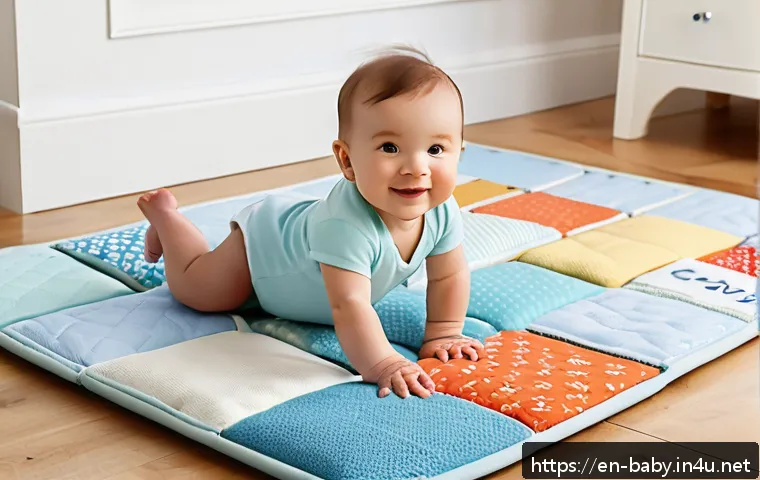
As parents become increasingly mindful of their little ones’ safety and development, choosing the right baby play mat has never been more important. With 2024 bringing fresh innovations in materials and design, these mats now offer a perfect blend of comfort, protection, and entertainment.
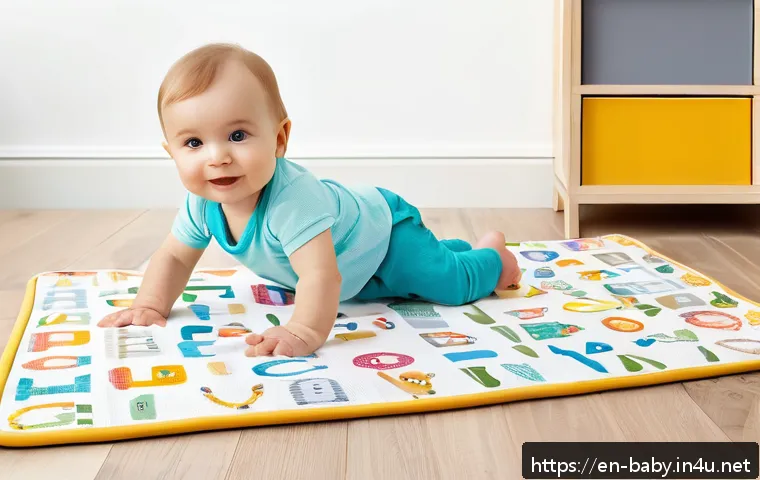
Whether you’re looking for something cushy for tummy time or interactive features to spark curiosity, the latest options have you covered. Let’s dive into the top baby play mats that not only keep your child safe but also turn playtime into a joyful, enriching experience.
Stick around to find out which picks stand out this year and why they might just be the best addition to your nursery!
Choosing the Right Material for Ultimate Comfort and Safety
Softness That Supports Delicate Skin
Babies have incredibly sensitive skin, so the softness of a play mat is non-negotiable. From my experience, mats made with natural cotton or memory foam provide a gentle touch that prevents irritation even during extended tummy time sessions.
Unlike some synthetic options that feel plasticky or rough, these materials offer a cozy surface where your little one can comfortably explore without fussiness.
Plus, natural fabrics tend to breathe better, reducing sweat build-up and keeping your baby cool during play.
Non-Toxic and Hypoallergenic Choices
Safety goes beyond cushioning; it’s about ensuring the mat is free from harmful chemicals. I’ve noticed that many premium mats now proudly boast certifications like OEKO-TEX or GREENGUARD, assuring parents that no toxic substances like phthalates or heavy metals are lurking in the product.
Choosing hypoallergenic options also minimizes allergic reactions or rashes, which can be a nightmare for both baby and parents. Personally, selecting a mat with clear safety labeling gives me peace of mind, especially when my child spends so much time on it.
Durability That Withstands Everyday Play
Babies can be surprisingly tough on their play surfaces, from drooling to occasional spills and rough crawling. A durable mat is essential for long-term use, and I’ve found that mats with reinforced edges and high-quality stitching hold up best over time.
Water-resistant or wipe-clean surfaces are a game changer, making cleanup effortless without sacrificing comfort. I remember one mat that started peeling after a few months of heavy use, which was frustrating, so investing in durability pays off in the long run.
Design Features That Encourage Learning and Exploration
Interactive Elements to Boost Sensory Development
What really caught my attention this year are mats that incorporate tactile patches, crinkly fabrics, or built-in mirrors. These features invite babies to touch, listen, and visually engage, which is crucial during early developmental stages.
For example, one mat I tried had a mix of soft ribbons and textured surfaces that kept my baby entertained for longer stretches, stimulating curiosity and fine motor skills.
Colorful Patterns and Educational Prints
Bright, contrasting colors aren’t just eye-catching—they actually aid in visual development. Mats with alphabet letters, numbers, or animal prints serve dual purposes by making the play area vibrant and subtly introducing learning concepts.
I’ve noticed that my child tends to reach for the colorful shapes more, which naturally leads to language-building moments as I name each item aloud.
Portability and Easy Storage
Parents often juggle multiple tasks, so a lightweight, foldable mat is a blessing. Some mats now feature quick-roll designs or handles for easy transport, which I’ve personally found indispensable when visiting family or heading outdoors.
The ability to store the mat compactly also means less clutter in the nursery, an added bonus for small living spaces.
Cleaning and Maintenance Made Simple
Machine Washable Fabrics
Nothing beats the convenience of tossing a baby play mat into the washing machine after a messy day. Mats that offer removable, machine-washable covers save a lot of time and hassle.
I once struggled with a mat that required hand washing, which was tedious, so I now prioritize this feature to keep hygiene at top-notch levels.
Waterproof and Stain-Resistant Layers
Babies are notorious for spills, whether it’s drool, food, or juice. Mats with waterproof backing or stain-resistant coatings make cleanup quick and stress-free.
From experience, a mat that repels liquids means fewer worries about bacteria growth and lingering odors, which is crucial for maintaining a healthy play environment.
Quick-Dry Materials for Busy Parents
If you’re anything like me, waiting hours for a mat to dry after cleaning isn’t practical. Quick-dry fabrics, often combined with breathable foam, help the mat regain its ready-to-use state rapidly.
This feature is particularly handy during colder months when drying times naturally extend, ensuring your baby always has a fresh and safe play area.
Size and Thickness: Finding the Perfect Balance
Spacious Enough for Active Play
As babies grow, they need more room to stretch, roll, and crawl. I’ve found that mats around 4×6 feet strike a great balance, providing ample space without overwhelming the room.
This size allows toddlers to practice walking steps safely, while still fitting comfortably in most living areas or nurseries.
Optimal Thickness for Cushioning Without Bulk
Thickness is key to shock absorption, especially for those early motor milestones like tummy time or first attempts at standing. Mats between 1/2 inch and 1 inch thick offer sufficient padding without being too heavy or bulky to move.
Thicker mats can feel like a trampoline and may cause balance issues, while thinner ones might not protect against hard floors adequately.
Versatility for Different Settings
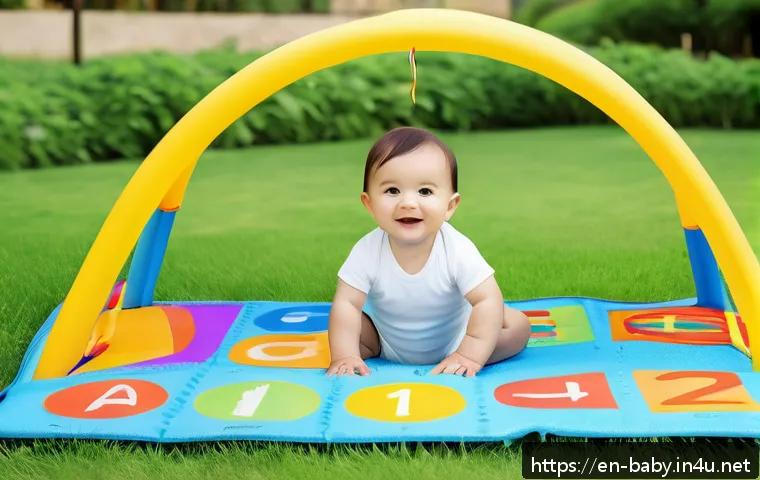
Some parents prefer mats that can double as picnic blankets or portable play zones. In these cases, a mat that’s lightweight but still cushioned enough to protect on outdoor surfaces is ideal.
I recall using a foldable mat on a grassy park day, and the comfort it provided made all the difference in keeping my baby engaged and happy.
Top Features That Add Value to Your Purchase
Foldability and Storage Options
For families tight on space, a mat that folds neatly is a lifesaver. I’ve personally appreciated designs that fold into thirds or quarters and come with a carry strap, making it easy to stash away or take on-the-go.
This feature encourages regular use without the nagging thought of clutter.
Multi-Functional Design Elements
Some mats incorporate detachable toys, arches, or pockets, creating a mini activity center. This multifunctionality extends the mat’s usefulness well beyond simple floor covering, supporting various stages of development.
I remember a mat with an attachable arch that my baby loved batting at, which promoted hand-eye coordination.
Compatibility with Other Baby Gear
Mats that fit well with play gyms, bouncers, or baby seats offer a seamless nursery setup. From my experience, choosing mats that match or complement other gear in size and style makes daily routines smoother and the nursery visually cohesive, which is always a bonus for parents who care about aesthetics.
Comprehensive Comparison of Popular Baby Play Mats in 2024
| Brand | Material | Thickness | Interactive Features | Cleaning | Portability |
|---|---|---|---|---|---|
| SnuggleNest Cozy Foam | Memory Foam with Cotton Cover | 1 inch | Textured patches, built-in mirror | Machine washable cover | Foldable with carry strap |
| BrightStart PlayZone | Non-toxic PVC with fabric overlay | 0.75 inch | Crinkle fabrics, sensory ribbons | Wipe clean only | Roll-up design |
| EcoTots Natural Mat | Organic Cotton and Natural Rubber | 0.5 inch | Educational prints, detachable toys | Machine washable entire mat | Lightweight, foldable |
| HappySteps Activity Mat | Waterproof EVA Foam | 1.25 inch | Alphabet & number prints, removable arches | Wipe clean and quick dry | Foldable but heavier |
Eco-Friendly Options for Environmentally Conscious Families
Biodegradable and Sustainable Materials
In recent years, I’ve noticed a rise in eco-conscious baby products, and play mats are no exception. Options made from biodegradable natural rubber or organic cotton not only reduce environmental impact but often feel superior in softness and breathability.
Choosing these mats aligns with a green lifestyle, giving parents the satisfaction of supporting sustainability while caring for their baby’s health.
Reduced Chemical Use and Safer Dyes
Environmentally friendly mats often avoid harsh chemical dyes, using natural or low-impact pigments instead. This reduces exposure to volatile organic compounds (VOCs), which can be a concern in less eco-friendly alternatives.
From what I’ve learned, these mats typically emit less odor and feel safer for prolonged skin contact, which is a big plus for newborns.
Long-Term Investment in Quality
Eco-friendly mats usually come with a higher upfront price but are designed to last longer without degrading or losing comfort. Investing in such a mat means fewer replacements over time, which is both cost-effective and better for the planet.
I’ve found that choosing quality over quantity is a smart move for families aiming for sustainability without compromising on function.
In Conclusion
Choosing the right baby play mat is essential for your child’s comfort, safety, and development. From softness and durability to interactive features and easy maintenance, every aspect plays a role in creating a nurturing play environment. Investing in a quality mat not only supports your baby’s growth but also provides peace of mind for parents. Ultimately, the perfect mat balances practicality with thoughtful design to enrich those precious early moments.
Helpful Tips to Keep in Mind
1. Prioritize natural, hypoallergenic materials to protect your baby’s sensitive skin and reduce allergic reactions.
2. Look for mats with certifications ensuring non-toxic and chemical-free construction for added safety.
3. Consider interactive elements like textured patches and colorful prints to stimulate sensory and cognitive development.
4. Choose mats that are easy to clean—machine washable covers or waterproof surfaces save time and effort.
5. Opt for foldable and portable designs if you frequently travel or have limited space at home.
Key Takeaways
When selecting a baby play mat, focus on materials that offer softness and safety without compromising durability. Interactive and educational features enhance your child’s developmental journey while practical cleaning and portability improve daily usability. Eco-friendly options provide a sustainable choice without sacrificing quality. Balancing size and thickness ensures comfort and protection, making the mat a versatile and valuable addition to your nursery essentials.
Frequently Asked Questions (FAQ) 📖
Q: What materials are safest and most comfortable for baby play mats in 2024?
A: In 2024, the safest baby play mats are typically made from non-toxic, BPA-free, and phthalate-free materials such as EVA foam or organic cotton with hypoallergenic properties.
Many of the latest mats feature a dual-layer design combining soft cushioning with a waterproof, easy-to-clean surface. From my experience, mats with a thick, dense foam core provide excellent support during tummy time and crawling, while the outer layer ensures comfort and prevents slipping.
Always look for certifications like GREENGUARD Gold or OEKO-TEX Standard 100 to ensure safety and quality.
Q: How do interactive features on baby play mats benefit my child’s development?
A: Interactive features like textured surfaces, built-in toys, mirrors, and sound elements stimulate multiple senses simultaneously, which is fantastic for cognitive and motor skill development.
For instance, a play mat with crinkly fabric or detachable toys encourages your baby to reach, grasp, and explore, boosting hand-eye coordination. I’ve noticed that mats with high-contrast colors and patterns keep my little one engaged longer, turning playtime into a mini developmental session that’s both fun and educational.
Q: What should I consider when choosing a baby play mat for a small nursery space?
A: If you’re working with limited space, prioritize foldable or roll-up mats that are easy to store when not in use. Look for lightweight options that won’t overwhelm your room but still offer ample cushioning.
Some mats come with modular pieces, allowing you to customize the size based on your nursery’s layout. Personally, I found that mats with reversible designs give you two looks in one, saving space and adding versatility.
Also, ensure the mat is easy to clean and quick to dry, especially if space constraints mean it’s stored in a shared area.