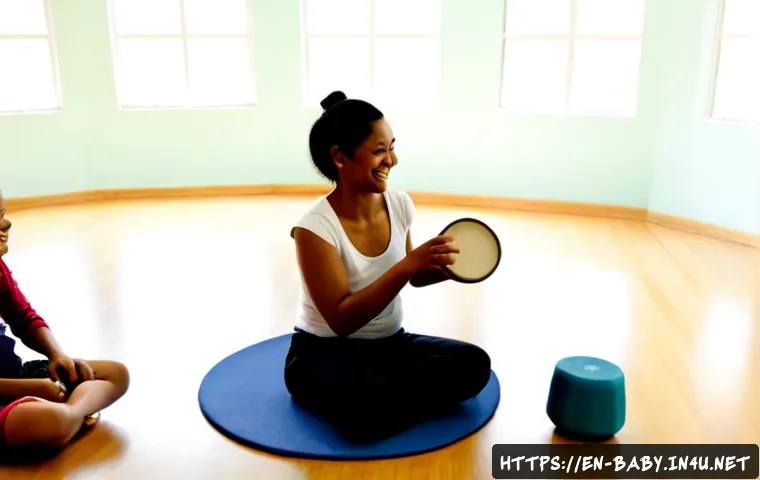
A baby activity class is worth paying for when it gives your family a workable schedule, a comfortable setting, and a format your baby can enjoy with a caregiver.

Choose it for structure and convenience, not because it promises faster development or better behavior. Comparing local class prices, trial-session options, and membership fees can prevent an expensive commitment that does not fit your routine.
The best choice may be a drop-in music group, a multi-week sensory class, a community-center program, or a free library activity. Check the total enrollment cost, safety practices, travel time, and missed-class rules before registering.
A short trial can be a sensible first step when you are unsure how your baby will respond.
At a Glance
- Pay for fit and convenience: a class can be useful when its time, location, and caregiver format work for your family.
- Compare the full cost: look beyond the advertised class price for registration, materials, travel, and missed-session terms.
- Try before committing when possible: a drop-in or trial class may suit first-time families better than a prepaid term.
| Class Format | Best For | What to Compare Before Paying |
|---|---|---|
| Drop-in session | First visits, changing schedules, and babies still adjusting to groups | Per-session price, booking rules, caregiver requirement, and availability |
| Multi-week course | Families who want a regular routine and can attend consistently | Total term cost, missed-class policy, refund terms, and travel time |
| Membership program | Families likely to use several sessions or activities regularly | Membership fee, included sessions, booking limits, and cancellation conditions |
| Private or small-group option | Families seeking a quieter setting or more schedule control | Group size, instructor approach, total cost, and what is included |
Is a Parent-and-Baby Class Worth It for Your Family?
The Quick Answer: Pay for Structure, Convenience, and Fit—Not Promises of Faster Development
A parent-and-baby class can be a good purchase if it gives you a reliable activity, a welcoming place to go, and a routine that is easy to keep. Most baby-and-caregiver classes involve a parent, guardian, or another caregiver participating alongside the baby. That shared format may make the experience feel less formal than a drop-off program, but it still needs to work with your day.
“Educational” is not a guarantee of a better outcome. Babies develop at different rates, and an advertised age range does not mean every activity will suit every child. Look for a program that matches your baby’s current comfort level and your household schedule rather than choosing based on big promises.
What Babies and Caregivers May Get From Guided Group Activities
Programs can focus on music, movement, sensory play, water familiarization, story time, or social play. For caregivers, the value may be as practical as having an activity already planned and a chance to spend focused time together. A guided class can also provide a predictable format when you are looking for something beyond staying at home.
The important question is simple: will your family realistically attend and enjoy it? A short class close to home may be more useful than a more elaborate program that conflicts with feeding, naps, work, or sibling care.
When Free Library, Park, or Playgroup Options May Be the Better Choice
Free local activities may be enough when you mainly want a change of scene, casual social time, or a low-pressure outing. They can also be the better option if your baby is still settling into group environments or your schedule changes often. A paid class is not automatically a stronger choice just because it has a structured lesson plan.
Use free options to learn what your baby tolerates well. If they seem comfortable with music, movement, stories, or being around other families, you can then decide whether a local studio, community-center course, or membership program offers enough extra convenience to justify the cost.
Compare Class Formats, Prices, and What Is Included
Drop-In Sessions Versus Multi-Week Courses
A drop-in session usually offers the least commitment. It can be useful when you want to test the instructor, commute, group atmosphere, and timing before enrolling. It may also suit a family that cannot promise the same day and time every week.
A multi-week course may work better when you prefer a recurring routine and expect to attend most sessions. Before paying for a term, check whether missed classes can be made up, whether a caregiver can be changed, and what happens if your family needs to cancel. Do not assume the per-class figure tells you the whole story.
Community Centers, Independent Studios, and Membership Programs
Community-center classes, independent studios, and parent-and-baby membership programs can differ in class size, session length, activity type, and enrollment structure. A community program may appeal if you want a local activity with a straightforward format. A specialist studio may offer a more focused music, sensory, or movement experience. A membership may be worth comparing if it includes access to several sessions you would actually use.
Ask what is included in the quoted local class price. Some providers may have separate registration charges, materials costs, or membership fees. Compare the same details across providers before deciding which option is better value.
How to Calculate the True Cost: Registration, Materials, Travel, and Missed Classes
Use the total enrollment cost, not only the advertised session price. Add any registration charge, required materials, membership fee, parking or public transport expense, and the practical cost of travel time. Then consider how many classes you are likely to miss because of naps, illness, appointments, holidays, or family plans.
A lower-priced course may not be the better deal if the commute is stressful or the schedule is difficult to keep. Conversely, a slightly higher local option may be easier to use consistently. Compare local schedules and pricing side by side, using the same checklist for each program.
Safety, Instructor Quality, and Practical Questions to Ask
Class Size, Supervision, Cleaning, and Illness Policies
Before enrollment, ask about the provider’s safety procedures, cleaning practices, illness policy, and instructor qualifications. These points matter whether the class is held in a studio, community venue, pool setting, or shared play space. Find out how caregivers are expected to participate and whether babies are supervised in a way that fits the activity.
Ask about group size as well. A larger group may feel lively, while a smaller one may feel easier for a baby who is cautious or easily overwhelmed. There is no universally correct size; the key is whether the environment feels manageable for you and your child.
What to Look For in Age-Appropriate Activities and Equipment
Look at the activities, equipment, and pacing rather than relying only on the age label. A baby may enjoy a movement class but not a long story-based session, or prefer observing sensory play before joining in. Check whether the provider explains what caregivers should do during activities and whether there is room to step aside when needed.
If a program uses equipment, ask how it is cleaned and how it is used during class. If water familiarization is involved, confirm the provider’s current procedures directly. Your baby’s stage, comfort, and needs should guide the decision.
Questions to Ask Before Paying for a Trial or Term
- What is the full price, including registration, materials, and membership fees?
- Is there a trial class or single drop-in option?
- How many caregivers can attend, and can a different caregiver bring the baby?
- What happens if we miss a class?
- What are the cancellation, make-up class, and refund terms?
- What cleaning, illness, and safety procedures are currently in place?
- What training or qualifications do instructors have for this type of activity?
Choose a Format That Works With Your Baby’s Routine
Babies Who Enjoy Movement, Music, Sensory Play, or Quieter Groups
Match the class style to what your baby seems comfortable doing now. Some babies respond well to songs, movement, and a busy room. Others may prefer quieter story time, smaller groups, or simply watching for part of the session. A class does not need to produce constant participation to be a reasonable outing.
Comfort matters more than performance. There is no need to expect a baby to join every activity, sit still, or interact in a particular way. A flexible caregiver-and-baby class should leave room for normal variation.
Planning Around Naps, Feeding, Sibling Care, Work, and Travel Time

Schedule is often the deciding factor. A class that looks ideal online may be difficult in real life if it overlaps with naps, feeding, school pickup, work calls, or a long commute. Review the whole outing: getting ready, traveling, parking or transit, the session itself, and getting home.
For many families, the best parent-and-baby program is the one that is easiest to repeat without creating pressure. If the timing is uncertain, a trial session or drop-in class can help you test the routine before buying a longer package.
How to Handle a Baby Who Cries, Watches Quietly, or Needs to Leave Early
Babies may cry, need feeding, watch quietly, or need a break. Ask in advance whether the class format allows caregivers to step out and return. A provider’s answer can tell you a lot about whether the setting is practical for young children.
Do not treat one difficult visit as proof that the program is wrong for your baby. At the same time, do not feel obligated to continue a long term if the schedule, environment, or format clearly does not work for your family.
Avoid Common Enrollment Mistakes
Booking a Long Package Before Testing the Commute and Schedule
A common mistake is choosing a long package based only on an attractive class description or an advertised package rate. Test the route, arrival time, parking or transit plan, and how your baby handles that part of the day. A short trial can reveal issues that are hard to predict from a schedule page.
Assuming “Educational” Means Better for Every Family
Words such as “educational,” “developmental,” or “enrichment” can describe a class format, but they do not guarantee a specific result for every baby. Choose based on the actual activity, caregiver role, instructor approach, and your baby’s response. A simple music circle or free story time may be the right fit for one family, while another prefers a structured sensory course.
Overlooking Cancellation, Make-Up Class, and Refund Terms
Always read the enrollment terms before payment. Exact refund rules, current openings, trial availability, and discounts vary by provider and can change. Confirm these details directly, especially when paying for a membership or multi-week program.
Choosing the Right Program: Final Comparison
Best Fit for Budget-Focused Families
Start with free local activities, single drop-ins, or a low-commitment trial when available. Compare the full cost of each option, including required fees and travel. A lower commitment can be sensible until you know whether the timing and activity style suit your baby.
Best Fit for Flexible Schedules and First-Time Attendance
Families with variable work, nap, or caregiving schedules may prefer drop-in sessions or programs with clear missed-class policies. First-time attendees can benefit from trying a class before choosing a prepaid term. Check the official program page for current schedules, pricing, and enrollment conditions before registering.
Final Checklist Before Registering
Choose the option that checks the most practical boxes:
- The activity fits your baby’s current comfort level.
- The class time works with naps, feeding, work, and sibling care.
- The full enrollment cost fits your family budget.
- The provider clearly explains safety, cleaning, and illness practices.
- You understand cancellation, make-up, and refund terms.
- A trial or drop-in is available if you are still unsure.
Before you pay, compare local schedules, class prices, and membership conditions using the same list rather than choosing on description alone.
Closing Thoughts
A baby activity class should make family life feel more manageable, not more complicated. The right program may be paid or free, structured or casual, busy or quiet. Focus on safety, total cost, travel, and whether the format fits your baby and caregiver. A trial visit can be a practical way to decide without overcommitting.
Useful Information to Keep in Mind
Age bands are general guides, not promises that every baby will enjoy the same activity. Caregiver participation rules, group sizes, session length, and class availability can differ even between similar local programs. Keep a short note after a trial class about the commute, timing, your baby’s comfort, and the actual costs discussed.
Important Notes
Current fees, discounts, refund policies, accessibility features, staff qualifications, safety procedures, and available spaces must be confirmed with each provider. This guide cannot determine whether a particular class is suitable for an individual child or guarantee any developmental, sleep, social, or behavioral outcome.
Frequently Asked Questions
Q1. How much do parent-and-baby classes usually cost?
A1. Costs vary by provider, class format, location, membership requirements, and what is included. Compare the total price for a drop-in, term, or membership option, including registration, materials, travel, and the effect of missed sessions.
Q2. Are baby activity classes safe for young infants?
A2. Safety depends on the individual provider and activity. Before enrolling, check current safety procedures, cleaning practices, illness policies, instructor qualifications, supervision, equipment, and caregiver participation requirements.
Q3. Is a drop-in class or a multi-week course better for a first visit?
A3. A drop-in or trial session can be a practical choice for a first visit because it lets you assess the instructor, group setting, schedule, and travel without committing to a full term. A multi-week course may make sense once you know the format works for your family.