With growing awareness around skin sensitivities, especially in babies, choosing the right detergent has never been more crucial. Parents today are more informed and cautious, seeking gentle yet effective cleaning solutions that won’t irritate their little one’s delicate skin.
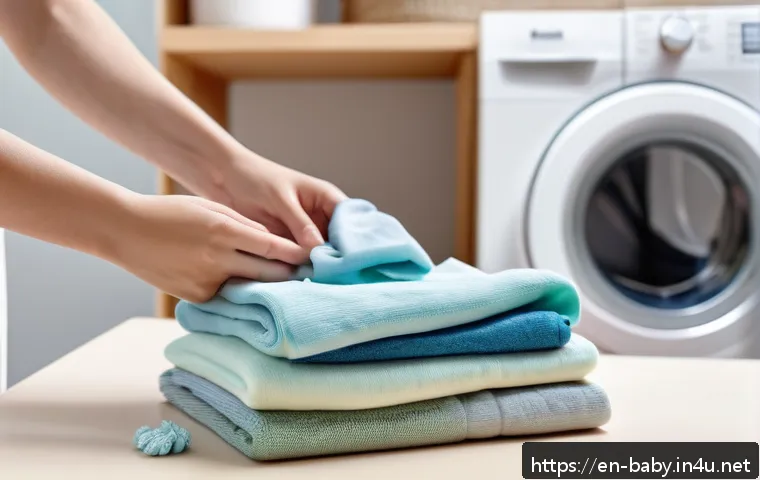
As new formulations emerge that prioritize natural ingredients and hypoallergenic properties, it’s easier than ever to find a detergent that balances cleanliness with care.
In this post, we’ll explore the top gentle baby detergents that truly keep sensitive skin happy while ensuring your baby’s clothes come out fresh and spotless.
Whether you’re a new parent or looking to switch brands, this guide is here to help you make confident, safe choices for your family. Stick around to discover which products stand out in 2024’s evolving baby care landscape.
Choosing Detergents That Truly Respect Baby’s Sensitive Skin
Understanding What Makes a Detergent Gentle
When it comes to picking a detergent for baby clothes, not all products labeled “gentle” actually meet the mark. A truly gentle detergent avoids harsh chemicals like sulfates, synthetic fragrances, and dyes that can provoke skin irritation or allergic reactions.
Instead, these detergents focus on hypoallergenic formulas enriched with plant-based cleansers and natural enzymes. Personally, I’ve noticed that detergents with fewer ingredients listed tend to be kinder on sensitive skin, probably because there’s less chance of encountering irritants.
It’s also important to check for dermatologist testing and certifications that back up the claims of gentleness. The last thing you want is to wash your baby’s clothes in something that leaves residues capable of causing redness or itchiness.
How to Read Labels for Sensitive Skin Safety
Diving into ingredient lists might feel overwhelming, but learning to spot key phrases can save you a lot of trouble. Look for detergents marked “fragrance-free” or “unscented,” as fragrances are a common culprit in skin irritation.
Ingredients like sodium lauryl sulfate (SLS) or sodium laureth sulfate (SLES) are worth avoiding since they’re known irritants. Instead, seek out detergents featuring natural surfactants derived from coconut or corn.
Some brands also add soothing agents like aloe vera or chamomile, which can help calm skin after washing. Don’t forget to verify if the detergent is free from optical brighteners and phosphates, which can sometimes linger on fabric and provoke sensitivity.
Why Water Temperature and Rinsing Matter
Even the gentlest detergent can irritate skin if not rinsed properly. Washing baby clothes in warm water rather than hot helps preserve the integrity of delicate fabrics and reduces the chance of detergent residue sticking around.
Using an extra rinse cycle is a simple trick I’ve adopted after seeing my baby’s eczema flare up from detergent leftovers. This extra step ensures all soap traces are washed away, leaving clothes softer and less likely to trigger skin reactions.
Also, avoid fabric softeners or dryer sheets, which often contain fragrances and chemicals that can irritate sensitive skin despite their softening benefits.
Top Ingredients to Look for in Baby Detergents
Natural Surfactants That Clean Without Harshness
Surfactants are the cleaning agents that remove dirt and oils from fabric. For baby detergents, natural surfactants derived from sources like coconut or sugar provide effective cleaning while remaining gentle.
These ingredients break down grime without stripping natural oils from your baby’s skin or causing irritation. I found that detergents containing decyl glucoside or coco glucoside tend to work well—they clean efficiently and rinse out easily, which is crucial when caring for sensitive skin.
Soothing Additives That Protect Skin Barrier
Some baby detergents include botanical extracts such as chamomile, calendula, or aloe vera. These ingredients not only provide a calming effect on the skin but also help maintain the skin’s natural barrier.
From my experience, clothes washed with detergents containing these soothing additives seem less likely to cause redness or dryness, especially during colder months when skin is more prone to irritation.
Free-from Components to Avoid
Avoiding certain ingredients is as important as seeking beneficial ones. Parabens, phthalates, synthetic dyes, and perfumes often found in regular detergents can trigger allergic reactions.
I always steer clear of products with optical brighteners, as these chemicals stay on fabric and can cause itching or rash. Hypoallergenic labels aren’t a guarantee, so double-check ingredient lists and opt for products tested by independent dermatologists.
Comparing Popular Baby Detergents in 2024
Evaluating Cleaning Power and Skin Sensitivity
Many parents worry that gentler detergents might compromise cleanliness. However, advances in formulation mean you can have both—effective stain removal and skin safety.
I’ve tried several brands and noticed that some natural detergents perform just as well as conventional ones in lifting food stains and milk residue, while still being gentle on sensitive skin.
It’s all about balancing enzymatic action and mild surfactants.
Price Points and Availability
Budget often plays a role in detergent choice. While some premium baby detergents can be pricey, many affordable options also provide excellent skin-friendly formulas.
Shopping at major retailers or online often reveals deals and bulk-buy discounts, making it easier to stock up without breaking the bank. I recommend trying smaller sizes first to make sure your baby’s skin reacts well before committing to larger purchases.
Eco-Friendly and Sustainable Choices
Sustainability is becoming a priority for many families. Eco-conscious detergents not only avoid harsh chemicals but also use biodegradable ingredients and recyclable packaging.
From my perspective, these options feel better to use knowing they minimize environmental impact without sacrificing gentleness. Plus, brands that prioritize transparency about ingredient sourcing tend to be more trustworthy when it comes to baby products.
| Detergent Brand | Key Features | Price Range (USD) | Hypoallergenic Certified | Eco-Friendly Packaging |
|---|---|---|---|---|
| BabyPure Gentle Wash | Plant-based surfactants, fragrance-free, aloe vera | 12-18 (per 50 loads) | Yes | Yes |
| NatureNest Baby Detergent | Chamomile extract, no dyes, biodegradable | 10-15 (per 40 loads) | Yes | Yes |
| SoftNest Hypoallergenic | Free of sulfates, optical brighteners, unscented | 8-14 (per 40 loads) | Yes | No |
| PureCare Baby Laundry | Enzyme-powered stain removal, fragrance-free | 15-20 (per 50 loads) | Yes | Yes |
| GentleWave Baby Formula | Natural surfactants, added chamomile, no parabens | 14-19 (per 45 loads) | Yes | Partial |
Practical Tips for Washing Baby Clothes Safely
Sorting and Pre-Treating Stains
Sorting baby clothes by fabric type and soil level helps maintain their condition and ensures effective cleaning. For stubborn stains like spit-up or food, pre-treating with a gentle stain remover or soaking in water before washing can make a big difference.
I usually use a small amount of baby detergent diluted in warm water to soak heavily soiled items. This helps lift stains without harsh scrubbing, which can damage delicate fabrics.
Choosing the Right Load Size and Cycle
Overloading the washing machine can prevent proper rinsing, leaving detergent residues on clothes. I’ve learned that washing smaller loads on a gentle or delicate cycle preserves fabric quality and helps the detergent rinse out fully.
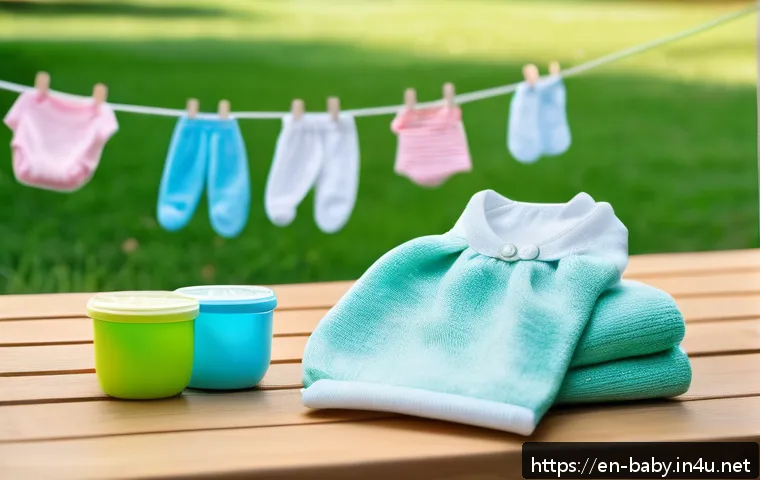
Using cold or warm water instead of hot also reduces wear and tear, which is especially important for baby garments made from soft cotton or organic materials.
Drying Methods That Protect Fabric and Skin
Air drying is often the best option to maintain softness and avoid shrinking. If using a dryer, selecting a low heat or delicate setting prevents damage.
Avoiding dryer sheets is crucial because their fragrances and chemicals can irritate sensitive skin. Hanging clothes outside on a sunny day is not only eco-friendly but also helps naturally freshen and sanitize baby clothes without added chemicals.
How to Identify and Manage Baby Skin Reactions to Laundry Products
Recognizing Early Signs of Irritation
Redness, itching, or small bumps appearing on your baby’s skin after wearing freshly washed clothes can signal a detergent reaction. I recall my first experience with this—my baby developed a mild rash on the neck and wrists.
It was subtle but enough to prompt me to switch detergents. Tracking when the rash appears and which clothes were washed with which product helps pinpoint the cause.
Steps to Take if a Reaction Occurs
If you notice irritation, immediately stop using the suspected detergent and switch to a known gentle alternative. Washing affected clothes again with plain water or a baby-safe rinse can help remove residual detergent.
Applying a pediatrician-recommended moisturizer or barrier cream soothes the skin while it heals. If symptoms persist or worsen, consulting your pediatrician is essential to rule out other causes.
Preventive Measures for Sensitive Skin
Preventing reactions involves more than just detergent choice. Regularly washing new clothes before the first wear, avoiding fabric softeners, and rinsing thoroughly are key habits.
I also find that rotating detergents occasionally can reduce the chance of sensitization. Keeping your baby’s skin moisturized and protected with gentle skincare products complements laundry care and helps maintain a healthy skin barrier.
Exploring Hypoallergenic Certifications and What They Mean
Common Certifications to Look For
Hypoallergenic claims can be vague, so certifications from reputable organizations provide extra reassurance. Look for seals from groups like the National Eczema Association or dermatological testing endorsements.
These certifications indicate that the product has undergone rigorous evaluation for safety on sensitive skin. When I shop, these labels often guide my choices more than marketing buzzwords.
What Certification Tests Entail
Testing typically includes patch tests on sensitive skin volunteers, assessments of ingredient safety, and checks for potential allergens or irritants.
Products passing these tests are less likely to cause reactions, but individual sensitivities can still vary. Understanding this helped me accept that even the best-rated detergent might not suit every baby perfectly, making observation and trial important.
Balancing Certification with Personal Experience
While certifications are valuable, nothing beats observing how your own baby’s skin responds. I’ve seen cases where a certified hypoallergenic detergent caused mild irritation, while a non-certified, fragrance-free brand worked perfectly.
This is why I recommend starting with small quantities and monitoring closely. Combining trusted certifications with personal experience ensures you make the safest choice for your family.
In Conclusion
Choosing the right detergent for your baby’s sensitive skin is essential for comfort and health. Gentle, natural ingredients combined with proper washing techniques can make a significant difference. Always observe your baby’s reactions and adjust as needed to ensure the best care. With informed choices, you can keep your baby’s clothes clean and skin happy.
Helpful Information to Keep in Mind
1. Always opt for detergents labeled fragrance-free and free of harsh chemicals like sulfates and dyes to minimize irritation.
2. Use warm water and an extra rinse cycle to thoroughly remove detergent residues that may cause skin reactions.
3. Pre-treat stains gently and avoid overloading your washing machine to ensure effective cleaning and rinsing.
4. Look for hypoallergenic certifications but remember that personal experience with your baby’s skin is the ultimate test.
5. Consider eco-friendly detergents that balance gentleness with environmental responsibility.
Key Takeaways
Selecting baby laundry detergents requires careful attention to ingredients, washing methods, and skin reactions. Avoiding irritants like synthetic fragrances and optical brighteners is crucial, while natural surfactants and soothing additives support skin health. Proper washing practices, such as using warm water and extra rinses, help prevent residual buildup. Certifications can guide your choices, but monitoring your baby’s response is vital. Ultimately, balancing safety, effectiveness, and sustainability ensures your baby’s comfort and well-being.
Frequently Asked Questions (FAQ) 📖
Q: What ingredients should I avoid when choosing a detergent for my baby’s sensitive skin?
A: When selecting a detergent for your baby, steer clear of harsh chemicals like sulfates, parabens, synthetic fragrances, and dyes. These ingredients can cause irritation or allergic reactions on delicate skin.
Instead, look for products labeled hypoallergenic, free of dyes and perfumes, and made with natural or plant-based ingredients. Personally, I’ve found that detergents with gentle enzymes and botanical extracts clean effectively without compromising skin comfort.
Q: Can using a regular adult detergent harm my baby’s skin?
A: Yes, regular adult detergents often contain stronger detergents and fragrances that can be too harsh for baby skin. Babies have thinner, more sensitive skin that can easily become dry, itchy, or develop rashes from these chemicals.
Switching to a baby-specific or sensitive-skin detergent can make a significant difference in preventing irritation. From my experience, even mild adult detergents can cause redness, so opting for a specially formulated baby detergent is worth it.
Q: How can I ensure my baby’s clothes are both clean and safe for sensitive skin?
A: To keep your baby’s clothes clean and safe, use a gentle, fragrance-free detergent and always rinse thoroughly to remove any residue. Washing baby clothes separately from adult laundry can also help reduce exposure to harsher detergents.
Additionally, avoid fabric softeners or dryer sheets, which often contain irritants. I usually run an extra rinse cycle just to be safe, and this simple step really helped reduce skin flare-ups for my little one.