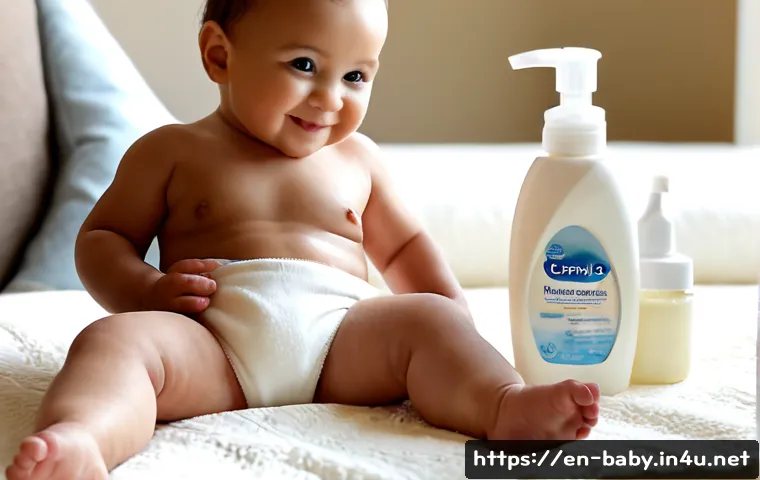
For most babies, choose a lightweight lotion for everyday skin, a richer cream for dry areas, and an ointment-style barrier for very dry-looking patches when appropriate.
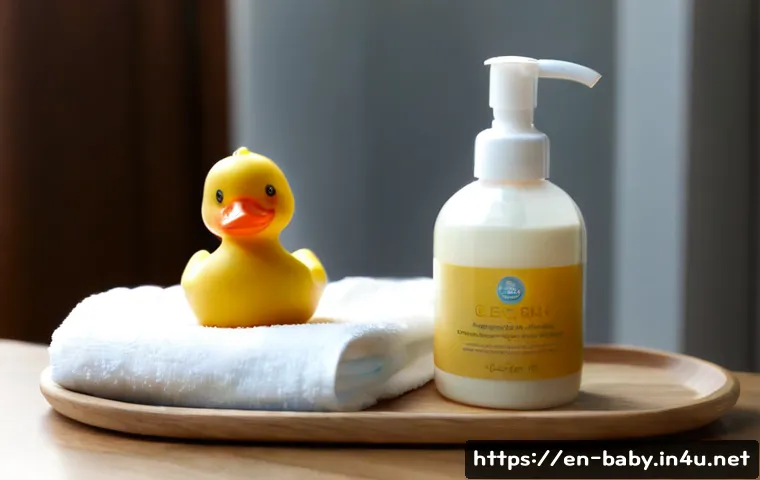
Start with a simple formula, preferably without added fragrance if your baby’s skin is dry or easily reactive. The best baby moisturizer is not always the most expensive one; texture, label clarity, and cost per ounce often matter more than the shelf price.
A product that spreads easily may suit daily use, while a thicker option may be more practical for targeted areas. Check retailer listings for package size, multipack details, and subscription terms before comparing final value.
If skin symptoms keep worsening, repeated product switching is not a substitute for professional medical assessment.
At a Glance
- Lotion is often a practical choice for routine, all-over moisturizing.
- Cream and ointment-style products are typically better suited to dry or very dry-looking areas because they create a stronger moisture barrier.
- Choose a simple formula, check for fragrance, and compare price per ounce before deciding.
| Texture Type | Feel and Spreadability | Typical Use Case | Label and Value Checks |
|---|---|---|---|
| Lotion | Lightweight and easy to spread | Everyday use on generally comfortable skin | Compare pump size, price per ounce, and whether fragrance is added |
| Cream | Richer and thicker than lotion | Dry areas that may need more moisture support | Check tube versus tub packaging and expected reapplication needs |
| Ointment-style product | Dense, protective feel | Very dry-looking patches when appropriate | Consider how much is needed per use and whether the texture fits your routine |
The Quick Answer: Start With Texture and a Simple Formula
A baby moisturizer does not need a complicated routine behind it. Start by matching the texture to what you see: a lightweight lotion for routine use, a cream for noticeably dry areas, and an ointment-style barrier for very dry-looking patches when appropriate. Because infant skin can be more sensitive to irritants than adult skin, a simpler formula is usually easier to evaluate.
When a Lightweight Lotion May Be Enough
Lotion can be a convenient daily option because it spreads quickly over larger areas. A pump bottle may also make routine application simpler after a bath. If your baby’s skin looks generally comfortable and you want basic moisture support, this texture may fit well.
When a Richer Cream or Ointment-Style Product May Be More Practical
A thicker texture typically creates a stronger barrier against moisture loss. Cream may be a useful middle ground for dry spots, while ointment-style products can feel more protective on very dry-looking areas. The tradeoff is that thicker products may feel heavier and may not be the easiest choice for every application.
Three Checks Before Trying a New Product
First, read the ingredient and fragrance information. Second, introduce one new skincare product at a time so it is easier to notice a reaction. Third, consider patch testing on a small area before using the product more broadly. No label can guarantee that every baby will tolerate a formula.
Compare Lotion, Cream, and Ointment Before You Buy
The right comparison is not simply “cheap versus expensive.” Think about texture, how often you may need to reapply it, and whether the package makes daily use easier. A lower shelf price may offer less value if the container is small or the texture does not suit your baby’s skin needs.
Texture, Spreadability, and How Often You May Need to Reapply
Lotions usually feel lighter and can be quick to apply after bathing. Creams are thicker and may be more practical when skin needs more moisture support. Ointment-style products are often chosen for a stronger barrier feel. If you expect to use a product frequently, ease of spreading can be just as important as the formula itself.
Fragrance-Free Versus Unscented: What to Check on the Label
Fragrance-free can be a useful preference when skin is dry or reactive because fragrance can be a potential irritant for some babies. “Unscented” does not automatically mean the same thing, so read the full label rather than relying on the front-panel wording. Terms such as “hypoallergenic” and “dermatologist tested” may be helpful product details, but they do not guarantee tolerance for every child.
Comparing Price Per Ounce, Pump Bottles, Tubes, Tubs, and Multipacks
Use price per ounce as your starting point. Then consider the expected usage rate: a lightweight lotion for full-body use may be used faster than a thicker cream applied only to dry areas. Pump bottles can add convenience, while tubes may feel easier to use for targeted application. Multipacks and subscription options may change the per-ounce cost, but confirm the current size, formula, and terms on the retailer listing before purchasing.
Ingredient and Label Checks for Sensitive Baby Skin
When skin is easily irritated, keeping the routine simple can make decisions less confusing. Adding several new washes, lotions, and creams at once makes it harder to identify what may be causing a problem. Choose one moisturizer category first, then give your observations time.
Keeping a Routine Simple When Skin Is Easily Irritated
Look for a formula with information you can clearly review. If fragrance is a concern, prioritize a fragrance-free option and avoid assuming that a pleasant scent means a product is gentle. A simple routine also reduces unnecessary product switching.
Common Label Claims and What They Can—and Cannot—Tell You
Labels may say fragrance-free, unscented, hypoallergenic, or dermatologist tested. These claims can help you compare products, but they are not a diagnosis, a promise, or proof that a product will work for your individual baby. Formula changes and ingredient preferences should always be checked at the time of purchase.
How to Introduce One New Skincare Product at a Time
Patch testing a new product on a small area may help you notice irritation before wider use. Avoid introducing multiple new skincare products during the same period. If you see concerning changes, stop using the new product rather than layering on another product to counteract it.
Application Routine: Timing, Amount, and Common Mistakes
Applying moisturizer after bathing can help reduce water loss from the skin. The goal is a steady, uncomplicated habit—not a long list of products or frequent changes based on marketing claims.

Moisturizing After a Bath Without Overcomplicating the Routine
After bathing, apply the texture that fits your baby’s current skin needs. A lotion may be enough for routine maintenance, while a cream may make more sense for specific dry areas. Use only the amount needed to cover the intended area comfortably.
Areas That May Need Extra Attention
Some areas may look drier than others, so a single texture does not have to be used everywhere. You may prefer a lighter product for broader daily use and a richer option for localized dryness. Keep the rest of the routine consistent so you can better judge what is working.
When to Stop Using a Product and Seek Medical Guidance
Persistent rashes, cracking, oozing, swelling, or signs of infection need professional medical assessment. These symptoms may not be simple dryness, and repeatedly switching moisturizers can delay appropriate advice.
Choosing for Everyday Dryness, Seasonal Dryness, and Eczema-Prone Skin
Baby skin needs can change with weather, bathing routines, and individual sensitivity. Product selection should follow what the skin appears to need, while avoiding assumptions about the cause of a rash or persistent irritation.
Daily Maintenance for Generally Comfortable Skin
For everyday use, a straightforward lotion may offer an easy balance of spreadability and convenience. Compare fragrance information, package size, and price per ounce rather than choosing based only on a familiar brand name or attractive packaging.
Cold-Weather or Low-Humidity Adjustments
When skin appears drier, a richer cream may be more practical than a lightweight lotion. For very dry-looking patches, an ointment-style barrier may be considered when appropriate. Change one variable at a time so the routine stays easy to evaluate.
Why Persistent Eczema-Like Symptoms Need Individualized Advice
Dryness, eczema, contact irritation, infection, and other conditions can look similar. A moisturizer may be part of a skincare routine, but it cannot confirm the cause of persistent symptoms. Seek professional guidance instead of treating ongoing or worsening skin changes as a shopping problem.
Selection Criteria and Comparison Summary
Before choosing a baby moisturizer, compare these practical points: texture for your baby’s current dryness level, fragrance information, clear ingredient labeling, price per ounce, and package format for your household routine. A higher-priced cream may add convenience, a preferred texture, or a package that reduces mess, but it is not automatically a better fit. A basic product that is well tolerated and easy to repurchase may offer better long-term value. For current package sizes, multipack details, subscription options, and full ingredient information, check the relevant retailer or brand product page.
Final Thoughts
Choosing a baby moisturizer is usually easier when you begin with texture rather than a long list of promises. Lotion, cream, and ointment-style products each have a different role depending on how dry the skin appears. Keep the formula and routine simple, introduce products carefully, and compare value beyond the headline price. If symptoms are persistent or concerning, professional assessment is the safer next step.
Useful Information to Keep in Mind
Price per ounce is more useful than shelf price alone. A larger package is not always better value if it is difficult to use or likely to go unused. Fragrance-free wording can be helpful for sensitive skin preferences, but every baby can respond differently. Check the current label because formulas, availability, and subscription terms may change.
Important Notes
This guide cannot determine whether a baby’s skin concern is simple dryness, eczema, contact irritation, infection, or another condition. It also cannot predict whether a specific ingredient will cause irritation or allergy. Stop using a product if concerning irritation appears, and seek professional medical guidance for persistent rashes, cracking, oozing, swelling, or possible infection.
Frequently Asked Questions
Q1. Is lotion, cream, or ointment better for a baby with dry skin?
A1. It depends on the level and location of dryness. Lotion may be enough for routine use, cream may be more practical for dry areas, and an ointment-style product can create a stronger barrier for very dry-looking patches when appropriate.
Q2. Are fragrance-free baby moisturizers usually a better choice for sensitive skin?
A2. Fragrance can be a potential irritant for some babies, especially when skin is dry or reactive, so fragrance-free products are often a sensible comparison point. However, that label does not guarantee that every baby will tolerate the product.
Q3. How can parents compare baby moisturizer prices without choosing only the cheapest option?
A3. Compare price per ounce, expected usage, package type, and current multipack or subscription terms. Also consider whether the texture fits the intended use, since a product that works well for your routine may provide better value than a lower-priced option that does not.