Navigating the journey of potty training can feel overwhelming, especially with so many conflicting opinions floating around. Recently, new research has highlighted the importance of timing and readiness, sparking fresh conversations among parents and experts alike.

If you’ve been wondering when exactly to start this milestone with your little one, you’re not alone. Understanding your child’s unique cues and developmental stages can make all the difference.
Let’s dive into expert-backed tips that can help you approach potty training with confidence and ease. Stick around—you’re about to discover strategies that truly work in today’s parenting world.
Recognizing When Your Child Is Ready
Physical Signs to Watch For
Potty training success often hinges on catching those subtle physical cues that your child is ready. Look for signs like staying dry for longer periods, typically two hours or more, which suggests their bladder control is developing.
You might notice your toddler showing discomfort when their diaper is wet or dirty, indicating an awareness of bodily functions. Another key sign is the ability to walk and sit down independently, which is crucial for using the potty safely and comfortably.
From personal experience, I found that when my child could pull down their pants without help, it was a clear green light to begin introducing the potty routine.
Behavioral Indicators of Readiness
Behavioral readiness is just as important as physical readiness. Children who start showing interest in adult bathroom habits, such as following you to the bathroom or asking questions about the toilet, are often mentally prepared to learn.
Your little one might also start to express the need for privacy or even show frustration when they have accidents, which is a sign they’re beginning to understand control.
Patience is key here—if your child resists or seems uninterested, pushing too hard can backfire. I remember a friend whose child refused the potty for weeks until she noticed he was suddenly curious and wanted to mimic his older sibling; that was the perfect moment to jump in.
Emotional Readiness and Confidence
Potty training is as much an emotional journey as it is physical. Confidence builds when children feel supported rather than pressured. Encouraging small victories, like sitting on the potty just to get comfortable, helps build their self-assurance.
Keep in mind that regression is normal, especially during times of stress or change, so maintaining a calm and positive attitude makes a big difference.
When I started with my child, celebrating every attempt—even the unsuccessful ones—created a positive association that kept him motivated and less anxious.
Creating a Consistent and Comfortable Routine
Establishing a Bathroom Schedule
Consistency is the cornerstone of effective potty training. Setting regular times for bathroom visits—such as after meals, before naps, and right before bedtime—helps build a predictable rhythm.
This routine not only reinforces the habit but also reduces accidents by anticipating when your child is most likely to need the potty. In my experience, making these moments part of a fun, relaxed routine rather than a strict schedule reduced resistance and made potty time something my child looked forward to.
Choosing the Right Equipment
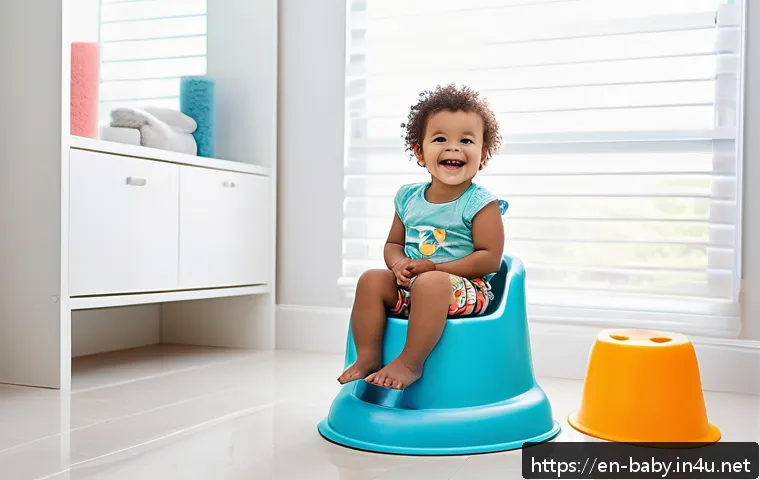
Selecting the right potty chair or seat adapter can significantly impact your child’s comfort and willingness to participate. A child-sized potty that feels secure and easy to use encourages independence.
Some kids prefer a standalone potty, while others feel safer with a seat adapter on the regular toilet. I found that letting my child pick their potty chair made a surprising difference—she felt ownership over the process and was more eager to use it.
Incorporating Positive Reinforcement
Reward systems tailored to your child’s personality can boost motivation. Stickers, small treats, or even extra storytime work well, but genuine praise and encouragement often have the most lasting impact.
Avoid punishment or expressing disappointment, as this can create anxiety and setbacks. When I used a simple sticker chart with my child, the visible progress kept her excited and proud of her accomplishments.
Handling Common Challenges Without Stress
Managing Accidents Gracefully
Accidents are inevitable, but how you handle them can shape your child’s experience with potty training. Responding calmly and reassuringly helps your child understand that accidents are part of learning and nothing to fear.
I recall one afternoon when my child had a big accident at the park; instead of frustration, I focused on cleaning up together and reminding her that next time she could try the potty.
This approach kept her from feeling ashamed and encouraged her to keep trying.
Dealing with Resistance and Regression
Resistance might show up as refusal to sit on the potty or sudden setbacks after progress. This can be triggered by stress, changes like starting daycare, or simply asserting independence.
Instead of forcing the issue, take a step back and offer gentle encouragement. Sometimes a break of a week or two can reset the process. From what I’ve seen, patience combined with empathy works wonders—kids often return to potty training readiness when they feel supported, not pressured.
Nighttime Training Tips
Nighttime dryness usually lags behind daytime control, and it’s important not to rush this phase. Using waterproof mattress covers and limiting fluids before bed can help manage accidents.
Some parents find that waking their child for a potty trip during the night helps, but this varies. I waited until my child consistently woke up dry before ditching nighttime diapers, which made the transition smoother for both of us.
Understanding Developmental Milestones and Their Impact
Cognitive Development and Communication Skills
Effective potty training depends heavily on a child’s ability to communicate needs and understand instructions. Typically, once toddlers develop simple language skills, they can express discomfort or the need to go.
Watching for phrases like “potty” or “pee” is a good indicator that your child is ready to participate actively. I noticed that my child’s ability to tell me when she had to go was the turning point for fewer accidents and more successful potty visits.
Motor Skills and Coordination
Fine and gross motor skills play a crucial role in potty training. Your child needs to be able to pull clothes up and down, sit steadily on the potty, and wipe effectively.
Development in these areas usually aligns with readiness, but if your child struggles, offering help and patience is essential. When my child initially struggled with wiping, we practiced together using flushable wipes until she gained confidence.
Emotional Self-Regulation
Potty training requires children to manage impulses and delays, like waiting for the bathroom or holding it until they reach the potty. This emotional self-regulation develops gradually and can be challenging for some toddlers.
Encouraging patience and understanding setbacks as part of growth helps maintain a supportive environment. I found that using simple timers and distraction techniques helped my child wait more comfortably when necessary.
Practical Tips for a Smooth Transition
Involving Your Child in the Process
Empowering your child by involving them in potty training decisions fosters cooperation. Letting them choose underwear or decorate the potty area gives a sense of control and excitement.
I invited my child to pick out fun underwear with favorite characters, which became a motivator to stay dry and clean.
Using Books and Stories to Normalize Potty Training
Children often respond well to stories that explain potty training in a relatable way. Books featuring characters they love can demystify the process and reduce anxiety.
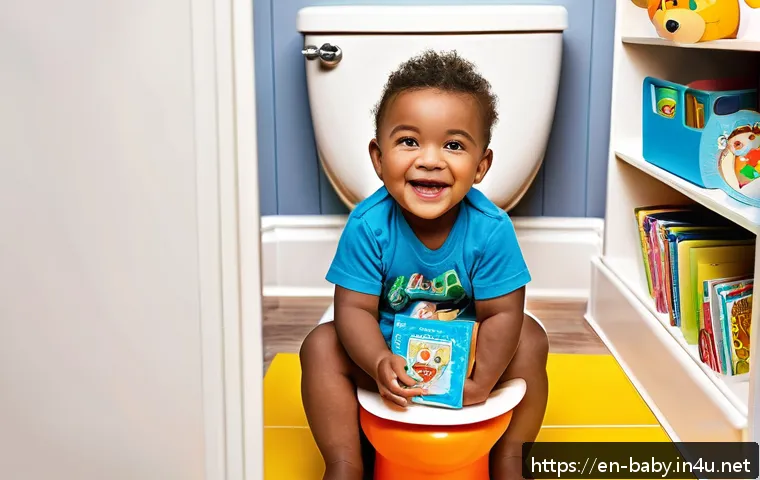
I found that reading potty-themed books nightly created a positive association and opened conversations about the experience.
Preparing for Outings and Public Places
Potty training doesn’t stop when you leave the house. Carrying a portable potty seat or knowing where accessible restrooms are can prevent accidents and keep your child comfortable.
Having a small bag with essentials like wipes and extra clothes makes outings less stressful. I learned that planning ahead and maintaining a calm attitude during public potty visits helped my child feel confident and safe.
Comparing Potty Training Approaches and Tools
Traditional vs. Modern Methods
Traditional potty training often follows a rigid schedule and sometimes relies on reward and punishment. Modern approaches emphasize readiness, child-led pacing, and positive reinforcement.
From what I’ve experienced and heard from other parents, flexible methods that respect the child’s timing tend to result in less stress and better long-term success.
Choosing Between Potty Chairs and Toilet Adaptors
Potty chairs provide a child-friendly size and independence, while toilet adaptors familiarize kids with the adult toilet. Each has pros and cons, and some families switch between both.
I noticed that my child preferred the chair initially but gradually embraced the toilet adapter as she grew more confident.
Evaluating Training Pants and Underwear Options
Training pants offer a middle ground between diapers and underwear, allowing some absorption during accidents but encouraging dryness. Cloth training pants are eco-friendly and reusable, while disposable ones offer convenience.
My experience showed that disposable training pants were handy for outings, but cloth options worked well at home for better awareness of wetness.
| Potty Training Element | Traditional Approach | Modern Approach | Personal Insight |
|---|---|---|---|
| Timing | Fixed age, often around 18 months | Child readiness focused | Waiting for readiness reduced frustration |
| Equipment | Mostly potty chairs | Potty chairs and toilet adapters | Started with chair, transitioned to adapter |
| Rewards | Often used punishments or strict schedules | Positive reinforcement and praise | Sticker charts increased motivation |
| Handling Accidents | Sometimes negative reactions | Calm and supportive responses | Patience kept my child confident |
| Night Training | Early diaper removal | Gradual, based on dryness | Waited for consistent dryness |
Supporting Your Child Through Potty Training Success
Building Encouragement and Celebrating Milestones
Acknowledging every step forward helps your child feel proud and motivated. Whether it’s the first time sitting on the potty or staying dry all day, celebrating these milestones with hugs, cheers, or small rewards builds positive momentum.
I found that even simple verbal praise like “You’re doing great!” made a huge difference in my child’s enthusiasm.
Maintaining Patience During Setbacks
Setbacks are normal and don’t mean failure. Maintaining a patient, understanding approach reassures your child that it’s okay to make mistakes. When my child had a few days of accidents after starting preschool, I kept calm and reminded her gently that we were still learning together.
Encouraging Independence and Self-Care
Potty training is also a chance to nurture independence. Teaching your child to wash hands, flush, and dress themselves after using the potty builds confidence and life skills.
I noticed that my child took great pride in doing these tasks solo, which made the entire process feel more like a team effort.
Adapting Strategies for Unique Situations
Potty Training for Twins or Siblings Close in Age
Managing potty training for two children at once can be challenging but rewarding. Tailoring approaches to each child’s readiness and personality is crucial.
From what I’ve seen in families with multiples, maintaining separate routines and celebrating individual progress helps avoid comparisons and frustration.
Addressing Special Needs and Delays
Some children may require adapted strategies due to developmental delays or special needs. Consulting with pediatricians and therapists can provide personalized techniques and tools.
Patience, flexibility, and professional guidance are essential. I’ve met parents who successfully potty trained children with sensory sensitivities by using gradual exposure and sensory-friendly equipment.
Traveling and Potty Training
Travel can disrupt routines and add stress. Preparing a travel potty kit, planning frequent bathroom breaks, and maintaining familiar rituals can ease transitions.
On a recent road trip, having a portable potty and favorite books helped my child stay comfortable and reduced accidents on the go.
In Conclusion
Potty training is a unique journey for every child and parent, requiring patience, understanding, and flexibility. Recognizing your child’s readiness and creating a supportive environment can make the process smoother and more enjoyable. Celebrate small victories and remember that setbacks are a natural part of learning. With consistent routines and positive reinforcement, your child will gain confidence and independence in time.
Helpful Tips to Remember
1. Watch for physical signs like longer dry periods and the ability to dress independently before starting potty training.
2. Encourage your child’s curiosity and emotional readiness without forcing the process to avoid resistance.
3. Establish a consistent bathroom schedule that fits naturally into your daily routine to reduce accidents.
4. Use positive reinforcement tailored to your child’s personality, such as sticker charts or extra storytime, to motivate progress.
5. Prepare for outings by carrying essentials and maintaining calm, which helps your child feel secure outside the home.
Key Takeaways
Successful potty training blends timing, patience, and encouragement. It’s essential to respect your child’s developmental milestones and emotional state, adapting your approach as needed. Consistency, gentle guidance, and celebrating progress foster confidence and independence. Remember, every child moves at their own pace, and your supportive attitude is the foundation for lasting success.
Frequently Asked Questions (FAQ) 📖
Q: uestions about Potty TrainingQ1: When is the best time to start potty training my child?
A: The ideal time to begin potty training varies for each child, but most experts agree it’s best to wait until your child shows clear signs of readiness, usually between 18 to 24 months.
Look for cues like staying dry for longer periods, showing interest in the bathroom habits of others, or communicating discomfort with dirty diapers. Starting too early can lead to frustration for both you and your child, so patience and observation are key.
Q: How can I tell if my child is truly ready for potty training?
A: Readiness is more than just age—it’s about developmental milestones. Your child should be able to follow simple instructions, express when they need to go, keep their diaper dry for at least two hours, and show some independence.
Personally, I noticed my child started telling me when their diaper was wet and seemed curious about the toilet, which made the process smoother. Watching for these signs helps ensure a positive potty training experience.
Q: What strategies can make potty training less stressful for both parents and kids?
A: Consistency and encouragement are crucial. Establish a routine, use positive reinforcement like praise or small rewards, and stay calm when accidents happen—they’re part of the learning process.
I found that involving my child in choosing their potty seat and reading fun potty books helped keep them engaged. Remember, every child is different, so adjusting your approach based on your child’s personality and pace will make a big difference.